
Last updated September 10, 2026
Level 1 sweep and inspection to the NFPA 211 annual standard - flue, crown, cap, and flashing checked and photographed
Chimney sweep logs do not sweep chimneys. They loosen some creosote - which then falls where a brush and vacuum still have to collect it.
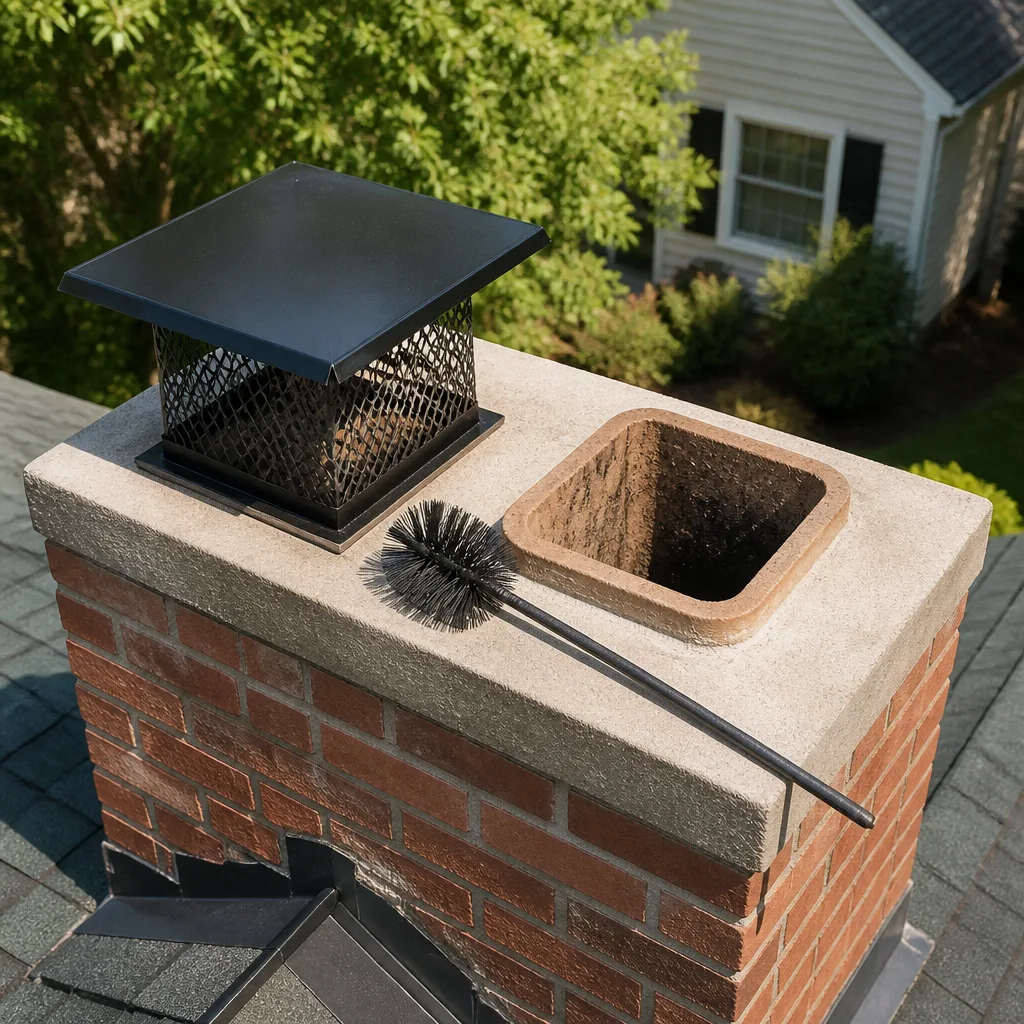
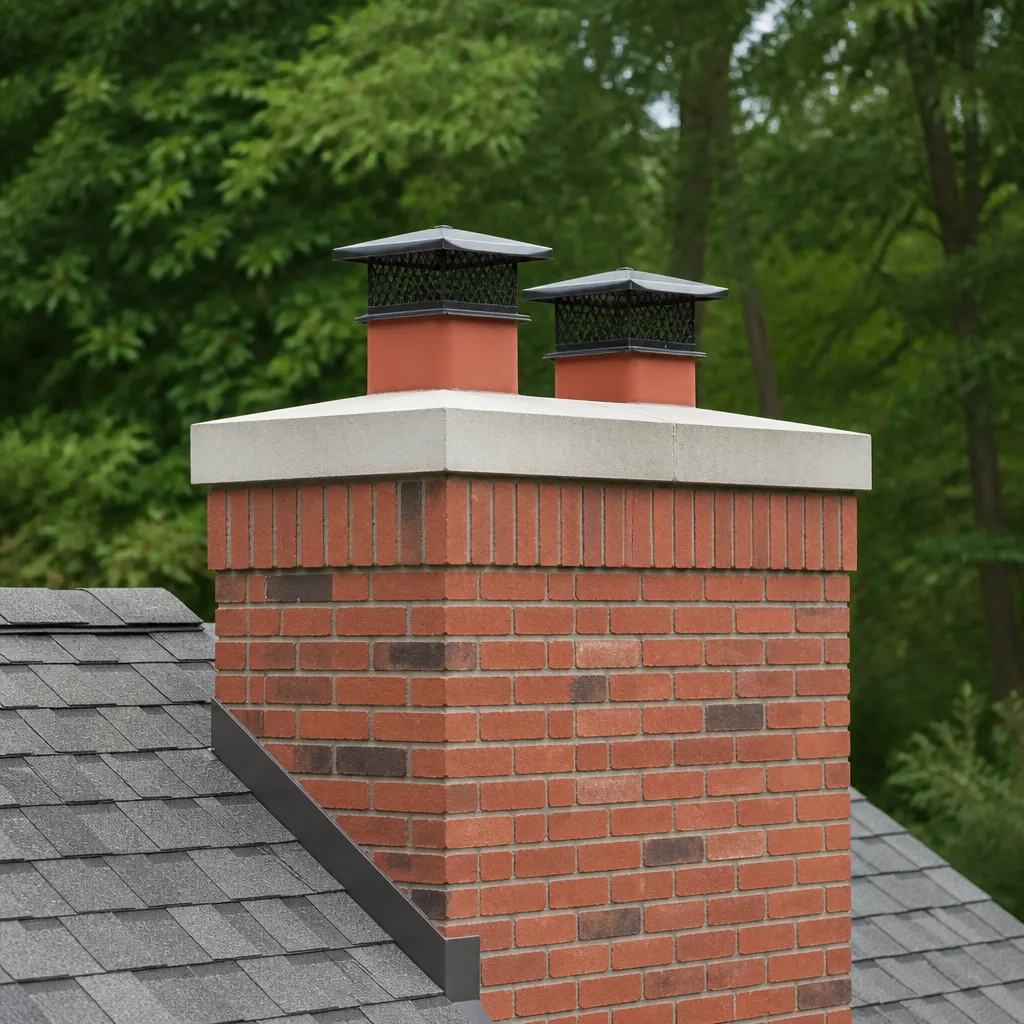
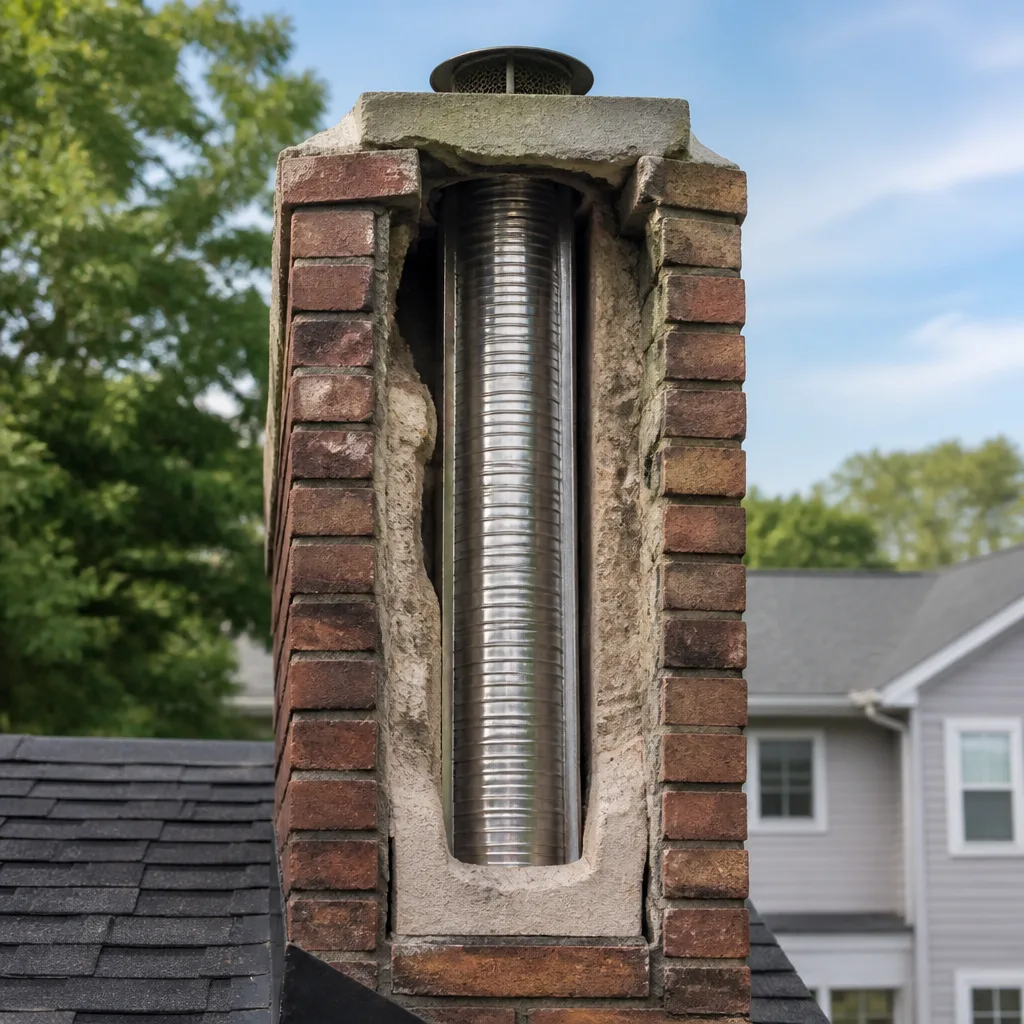
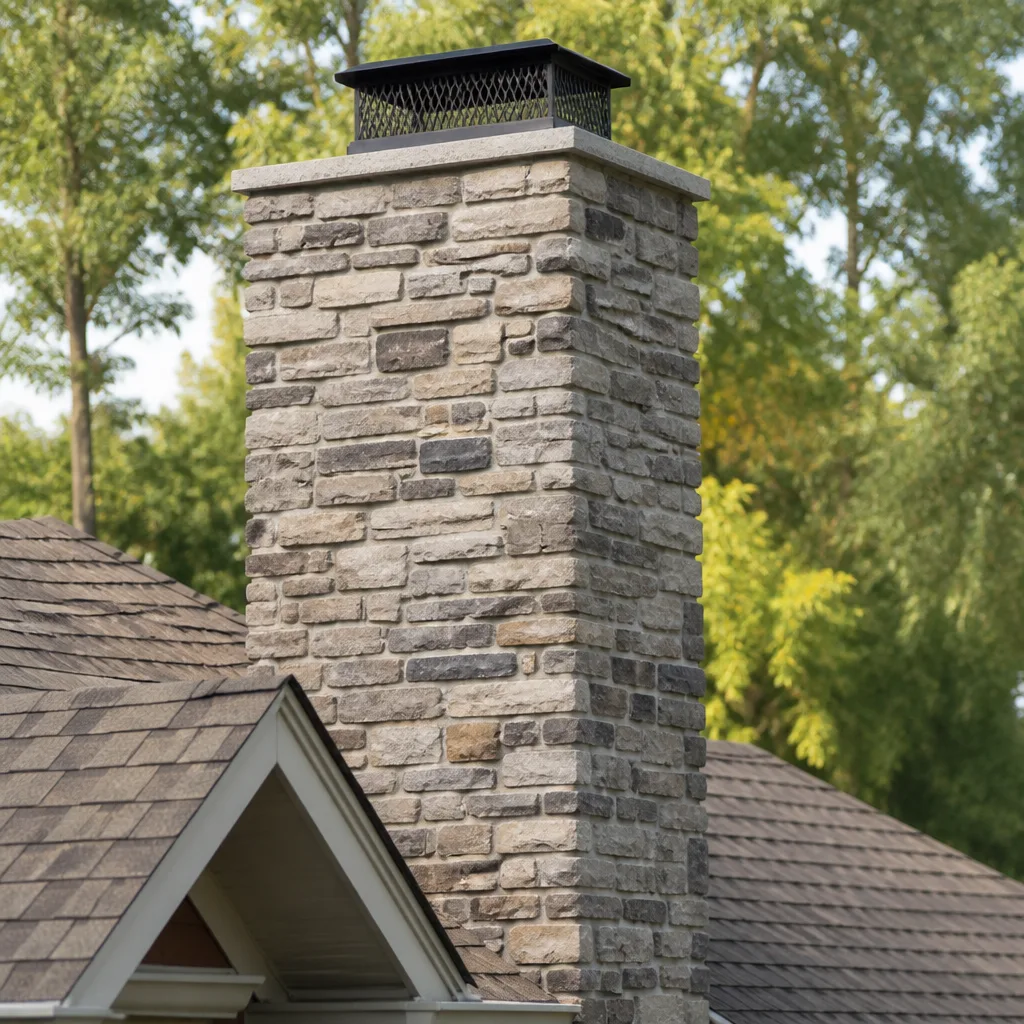
 Before
 After
After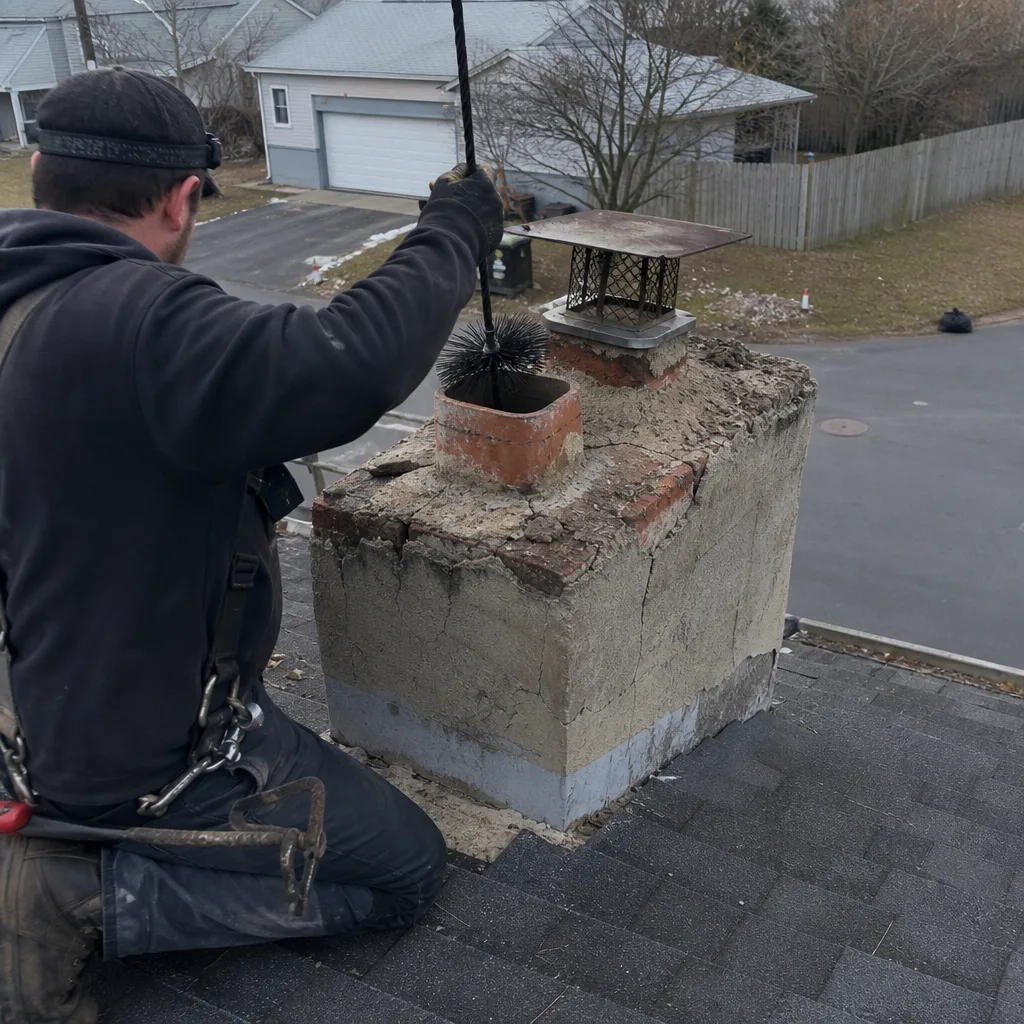 Before
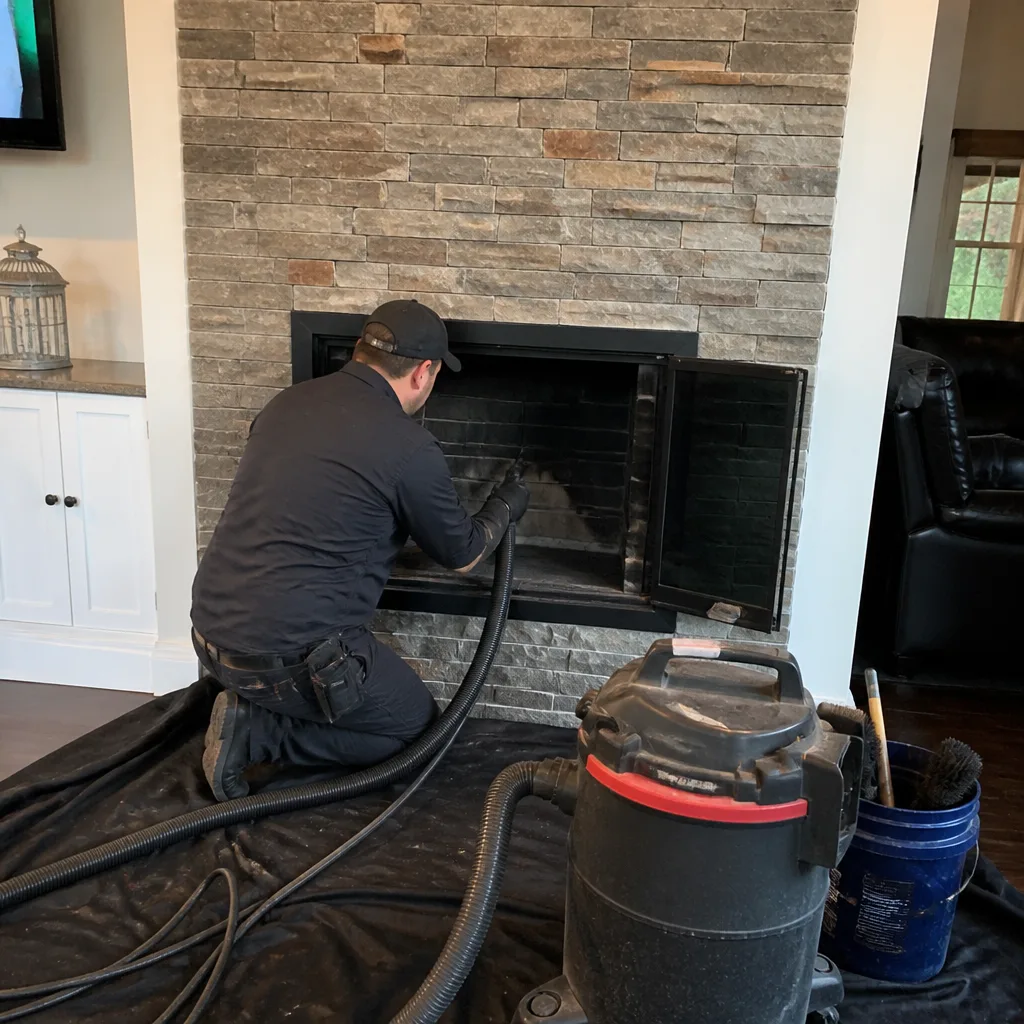 After
After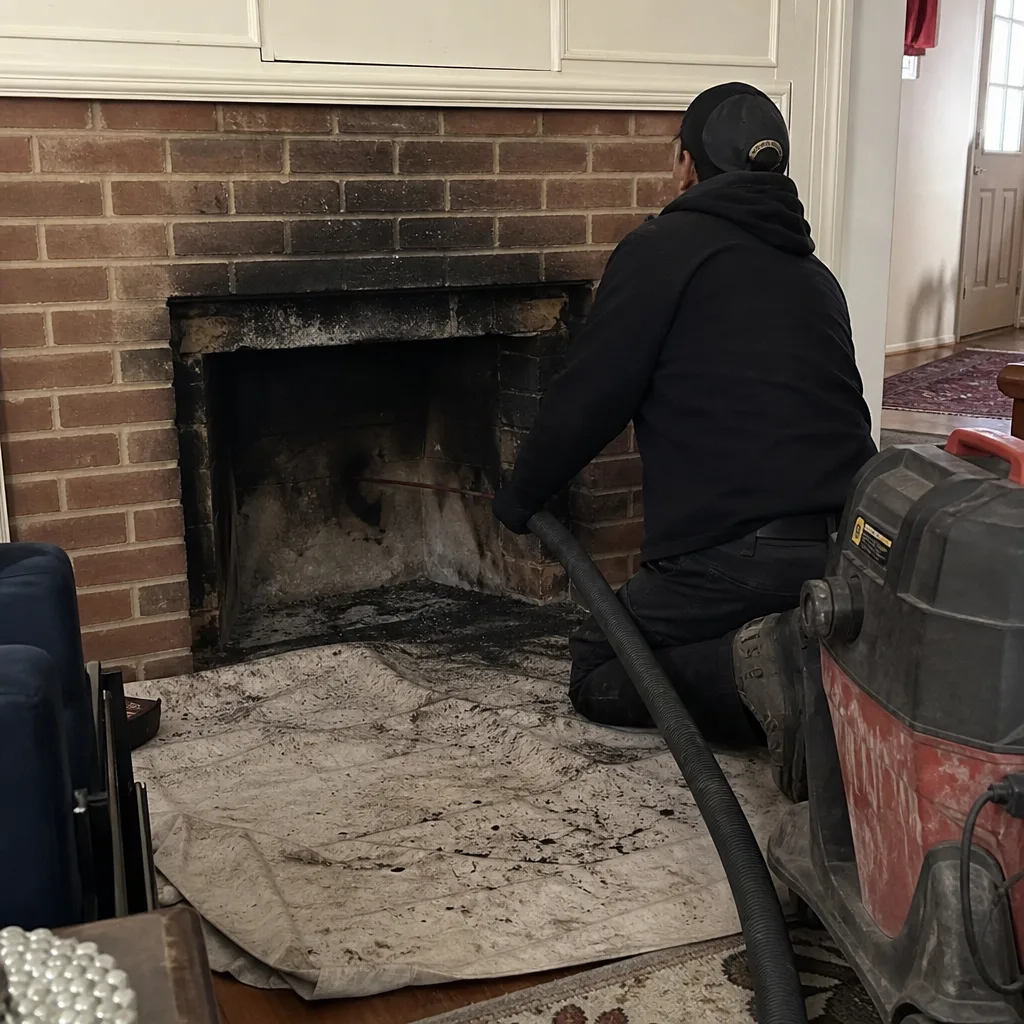 Before
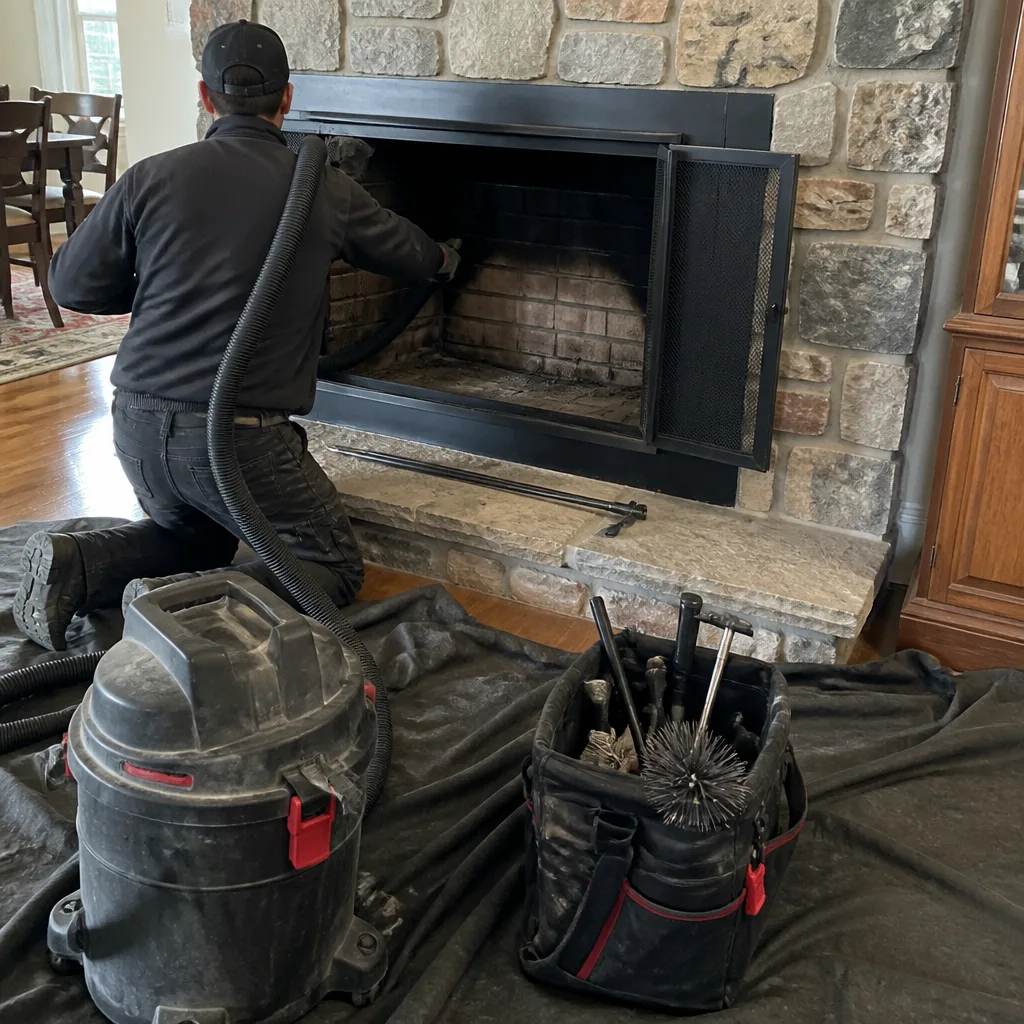 After
AfterChimney Cleaning & Sweep Maintenance Checklist for Leesburg Homeowners
Most chimney checklists tell you to “inspect annually.” That’s about as useful as telling someone to “check their car.” In Leesburg, we’ve seen the same twelve failures repeat year after year, and they don’t all happen in November. A cracked crown lets water in during February freeze-thaw cycles. Squirrels nest in flues during April. Creosote cakes thick by January if you’re burning unseasoned oak from western Loudoun woodlots. This guide names the specific things that fail first on Leesburg chimneys, when to look for each one, and which checks you can do yourself versus which need a Level-2 camera inspection. For a deeper dive, see our Complete Guide to Chimney Cleaning in Leesburg. We’ve been sweeping chimneys in this town since 1984, and we’ve learned that a checklist only works when it’s built around what actually goes wrong here.
Quick Answer
Leesburg homeowners should perform monthly ground-level checks during burning season (October through March), schedule Chimney Cleaning & Sweep services and a Level-2 camera inspection every September before first use, and conduct exterior masonry and cap inspections in April after wildlife nesting season ends. The five checks you can safely do yourself - damper operation, firebox floor condition, visible creosote buildup, exterior crown and cap integrity, and draft behavior - will catch most problems early, but internal flue damage, liner deterioration, and hidden moisture intrusion require professional camera documentation.
Table of Contents
- The Leesburg Month-by-Month Chimney Calendar
- 5 Checks You Can Do From the Ground
- 6 Problems That Require a Professional Camera Inspection
- What to Check After Every 20-30 Fires
- How to Document Your Chimney Year-Over-Year
- The 3 Most Skipped Items That Cause Repeat Service Calls
- What Chimney Maintenance Costs in Leesburg
- Common Mistakes to Avoid
- When to Call a Professional
- Frequently Asked Questions
The Leesburg Month-by-Month Chimney Calendar
Leesburg’s burning season runs roughly October through March, but the work of keeping a chimney safe happens all year. Our climate in western Loudoun County brings specific risks: hard freezes in late winter that stress masonry, humid summers that accelerate metal component corrosion, and a wildlife corridor along the Potomac tributaries that sends squirrels, raccoons, and chimney swifts looking for nesting sites from March through July.
Here’s what we do on our own chimneys, and what we recommend to homeowners in neighborhoods from Downtown Leesburg to Beechtree to the Village of Leesburg:
September: The Pre-Season Professional Visit
This is non-negotiable. Schedule your chimney cleaning and sweep in Leesburg before you light the first fire. September appointments fill fast because experienced homeowners know that a sweep found in October is often already behind. Our technicians perform a Level-2 camera inspection, document the flue with photos you can see, and deliver a plain-English verdict on whether your system is ready for the season.
What happens in this visit:
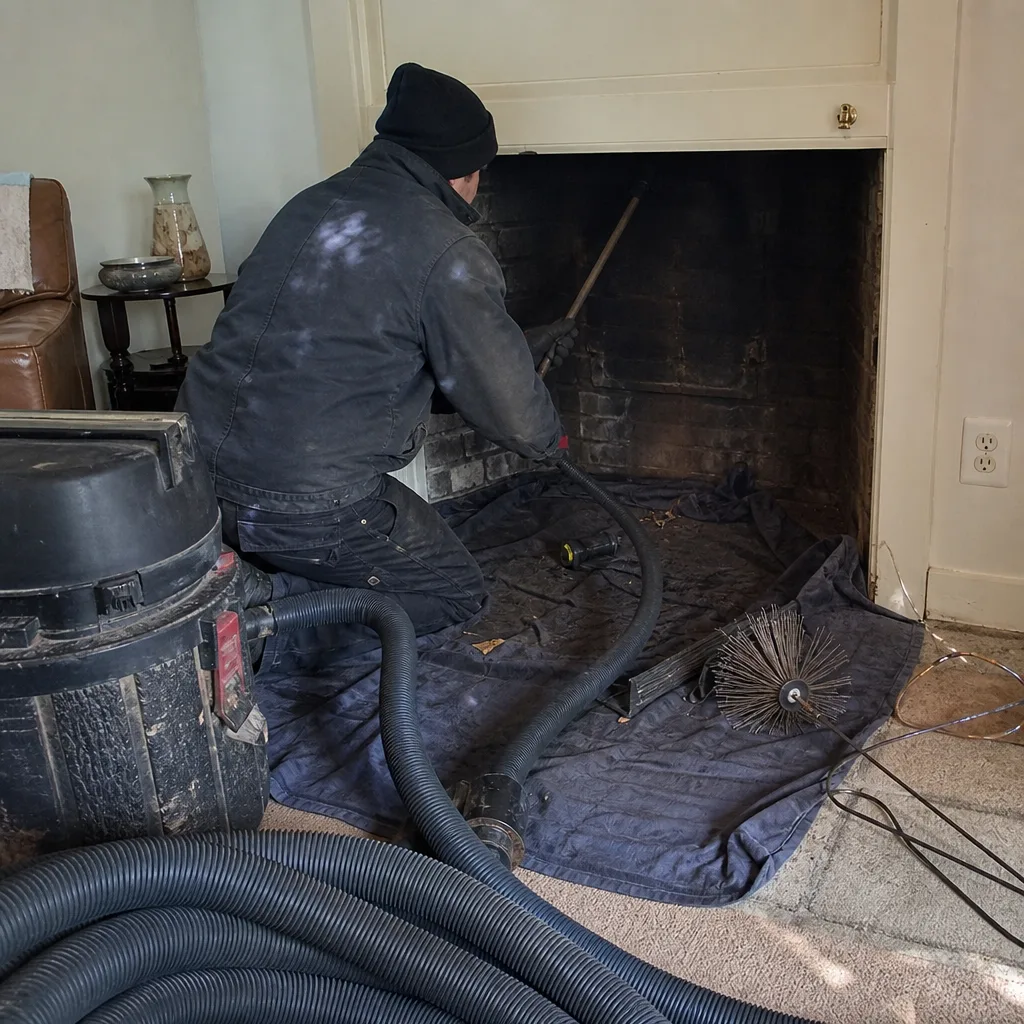
- Mechanical sweeping of the flue to remove creosote deposits
- Camera inspection of the full flue length, looking for cracks, gaps, or liner deterioration
- Firebox and damper assessment
- Exterior crown, cap, and flashing examination
- Photo documentation with written report
October: First Fire Protocol
After your professional sweep, your first fire should be small and brief. You’re testing the system, not heating the house. Open the damper fully, light a small kindling fire, and observe:
- Does smoke draft upward immediately, or does it linger in the firebox?
- Do you smell smoke in upstairs rooms? (This suggests a blocked flue or negative pressure issue common in tighter Leesburg homes built after 1990.)
- Does the damper operate smoothly throughout the burn?
November through January: Monthly Ground Checks
During heavy burning season, perform the five ground checks detailed in the next section on the first Saturday of each month. In Leesburg, January is when we see the most emergency calls for chimney fires - homeowners who burned daily through December without checking creosote buildup. Watch for Chimney Cleaning Warning Signs: A Leesburg Homeowner’s Reference Guide to stay ahead of trouble.
February: The Freeze-Thaw Watch
Leesburg’s hardest freezes typically arrive in February. Water that entered small masonry cracks in October expands now, turning hairlines into structural concerns. Walk outside after a hard freeze and look at your chimney exterior. New white efflorescence (salt deposits) or spalling brick faces mean water is getting in and the freeze-thaw cycle is actively damaging your masonry.
March: Post-Season Shutdown
Your last fire of the season deserves attention. Close the damper only after the firebox is completely cold - closing it warm traps moisture against metal components. This is also when we recommend scheduling any chimney repair in Leesburg discovered during your September inspection but deferred until after burning season.
April through June: Wildlife and Exterior Season
Squirrels, raccoons, and chimney swifts are active now. A chimney without a proper cap is an invitation. Inspect your cap for damage from winter winds - we’ve replaced dozens of caps in Leesburg after March storms dislodged them. If you hear scratching or chirping, do not light a fire. Call a professional. Chimney swifts are federally protected; removing active nests requires specific timing and methods.
July through August: Masonry and Moisture Repairs
The dry summer months are ideal for masonry work, crown rebuilding, and waterproofing. Mortar cures more predictably in low humidity. Schedule major repairs now so you’re not scrambling in September.
5 Checks You Can Do From the Ground
These checks require no ladder, no tools beyond a flashlight, and no special training. They will catch most developing problems before they become dangerous or expensive. Find more guides & resources in our blog.
1. Damper Operation
Open and close your damper fully. It should move smoothly without grinding or catching. A damper that sticks partially open wastes heat; one that sticks closed is a smoke hazard. Look up through the damper opening with a flashlight - you should see daylight at the top of the flue. If you don’t, you may have an obstruction.
When to call: If the damper won’t open fully, won’t seal when closed, or if you see debris blocking the flue opening. Fireplace services in Leesburg include damper repair and replacement, but a stuck damper is not a DIY fix - the mechanism is under spring tension and improperly handled can damage the firebox throat.
2. Firebox Floor Condition
After the fire is completely cold, brush out ash and examine the firebrick floor. Look for:
- Cracks wider than a nickel
- Bricks that have shifted or sunk
- White or gray powdery residue (indicates moisture intrusion from below)
- Metal grate legs that have sunk into deteriorating brick
A cracked firebox floor allows heat to reach combustible framing. In Leesburg homes built before 1980, we’ve found firebox floors that were dangerously compromised while the exterior brick looked fine.
3. Visible Creosote Buildup
Shine your flashlight up the flue from the firebox. You’re looking for black, shiny, tar-like deposits - glazed creosote - which is more dangerous than the fluffy gray-black soot. Glazed creosote burns at higher temperatures and is harder to remove. If you can scratch a quarter-inch or more off the flue wall with a fireplace poker, you need a professional sweep before your next fire.
Safety note: Do not attempt to scrape creosote yourself. The flue liner can be damaged by improper tools, and disturbing glazed creosote without proper containment spreads carcinogenic particles through your home.
4. Exterior Crown and Cap Integrity
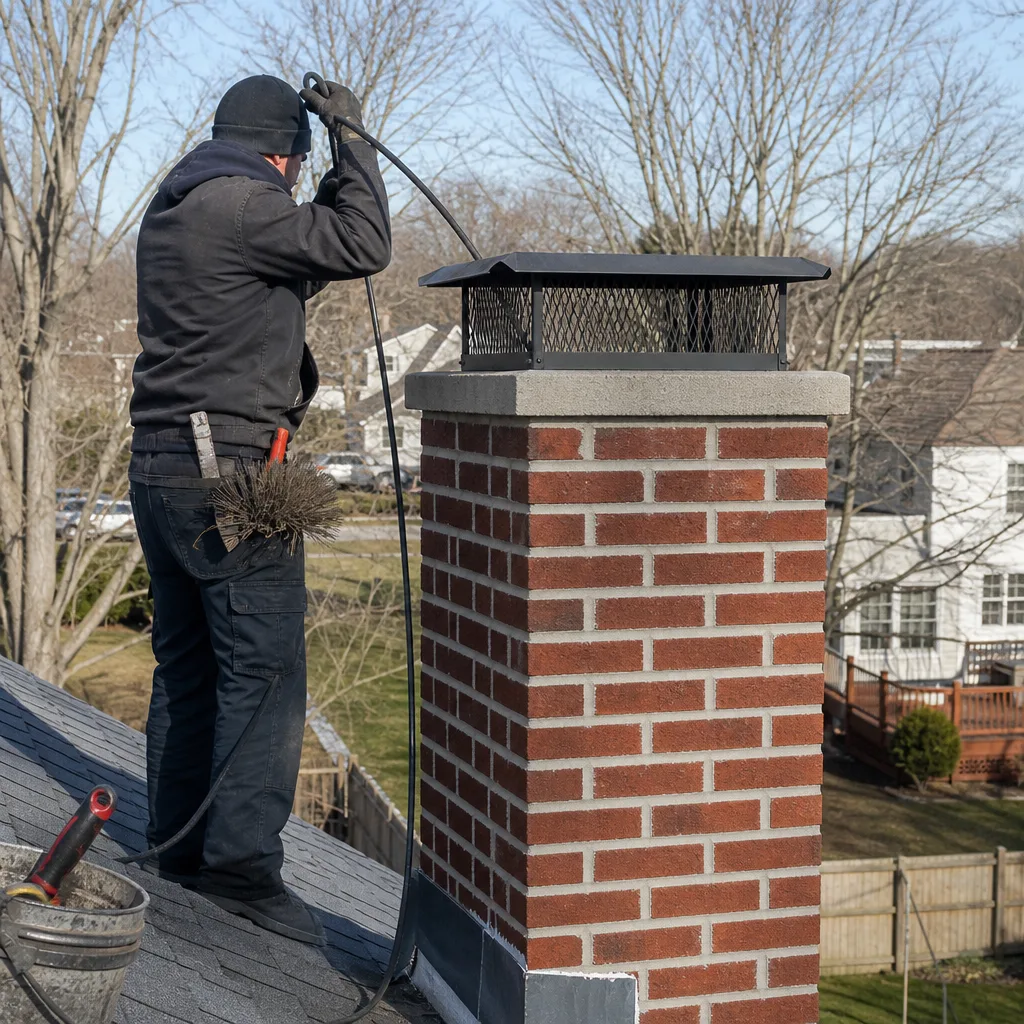
From your yard, use binoculars or a zoomed phone camera. The crown (the concrete top of your chimney) should slope away from the flue opening with no visible cracks. The cap should sit squarely with intact mesh sides. In Leesburg, we see crown damage accelerate after ice storms - if you see a crack running from the flue tile to the crown edge, water is getting in.
5. Draft Behavior During Fires
A properly drafting chimney pulls smoke up and out. Watch for these warning signs during operation:
- Smoke rolling out the firebox opening when the damper is fully open
- Smoke odor in upstairs rooms (indicates negative pressure or flue damage)
- Difficulty starting fires even with dry kindling
- Smoke stains forming on the fireplace face over time
Any of these suggests a problem beyond DIY scope - likely a flue obstruction, improper flue sizing, or house pressure imbalance common in well-sealed Leesburg homes with powerful exhaust fans.
6 Problems That Require a Professional Camera Inspection
These conditions cannot be diagnosed from the firebox or ground level. They require a Level-2 inspection with a camera that travels the full flue length, documented with photos you can see for yourself. At Hearthstone Chimney Co., we won’t recommend repair without showing you the evidence.
1. Hidden Flue Liner Cracks
Clay tile liners crack from thermal shock - rapid heating when a cold flue receives a hot fire. The crack may be on the back side of the tile, invisible from below. A cracked liner allows heat and combustion gases to reach combustible framing. In Leesburg’s older housing stock, particularly homes in the Historic District and Edwards Ferry area built before liner standards existed, unlined or partially lined chimneys are common.
2. Mortar Joint Deterioration Between Flue Tiles
The joints between clay liner segments erode over time. Gaps allow creosote to accumulate in the chimney cavity and permit gas leakage. Only a camera reveals this. We’ve found joints eroded to half-inch gaps in chimneys whose owners had no idea - the fires still “worked,” but the safety margin was gone.
3. Spalling or Shaling Flue Tiles
When clay liners deteriorate, they can shed thin flakes that accumulate in the smoke shelf or fall into the firebox. This is often mistaken for “just ash.” If you find thin, curved ceramic pieces in your firebox, your liner is actively failing. This requires immediate professional evaluation - a collapsed liner can block the flue entirely.
4. Moisture Intrusion Behind the Liner
Water staining on the chimney breast inside your home - visible as discolored drywall or peeling paint - indicates a leak, but the source is rarely obvious. Water enters through the crown, cap, or flashing, then travels between the flue liner and masonry before appearing inside. Camera inspection reveals water tracks and mineral deposits on the exterior of the liner that pinpoint where the breach occurred.
5. Creosote Accumulation in Smoke Shelf and Beyond
The smoke shelf, the flat area behind the damper, collects fallen debris and creosote. It’s inaccessible without proper tools and impossible to evaluate visually from the firebox. Heavy accumulation here is a fire hazard and restricts proper draft. Professional sweeps use specialized brushes and vacuums to clean this area completely.
6. Animal Nests and Debris in the Upper Flue
Animals don’t always nest at the bottom. A partial obstruction in the upper flue - a squirrel nest, collapsed chimney cap mesh, or accumulated leaf debris - may not block light visible from below but severely restricts draft. We’ve found nests twenty feet up that the homeowner had no indication of, discovered only when a camera revealed reduced flue diameter.
Our standard: Every sweep from Hearthstone Chimney Co. includes camera documentation. We use professional-grade equipment and provide photos with a written report. No recommendations without evidence you can see. That’s the K.E.Y.S. code: Krafted right, Every time, Your home first, Standing behind it.
What to Check After Every 20-30 Fires
For the average Leesburg homeowner burning weekends and occasional weekdays, 20-30 fires equals roughly one month of use. These quick checks take five minutes and prevent the majority of mid-season problems we get called for.
- Ash depth: Remove ash when it reaches the bottom of the grate. Excess ash restricts airflow, causing incomplete combustion and more creosote. Leave an inch of ash - it insulates the firebox floor and helps start the next fire.
- Grate position: The grate should sit level with all four legs on solid firebrick. A rocking grate shifts during fires, damaging brick and creating hot spots.
- Damper seal: With the damper closed, hold a lit incense stick or thin ribbon near the damper. Movement indicates a poor seal, which wastes heated air up the flue when the fireplace is not in use.
- Firebox wall condition: Look for new cracks in the firebrick or refractory panels. Small hairlines are normal; cracks you can fit a coin into are not.
- Soot and creosote on the firebox walls: Some accumulation is normal. A quarter-inch of buildup on the back wall means you’re due for a sweep.
Keep a simple log: date, number of fires since last check, and any observations. This documentation becomes valuable if you ever need to dispute a contractor’s claim or prove maintenance for insurance purposes.
How to Document Your Chimney Year-Over-Year
The most powerful tool a homeowner has against unnecessary repair recommendations is a documented baseline. When a contractor tells you that your liner “needs replacement” or your crown “must be rebuilt,” you need evidence to evaluate that claim. Here’s how we teach Leesburg homeowners to build that evidence.
Your Annual Photo Set
Take these photos every September, before first use:
- Firebox floor and walls, with flashlight illumination
- Damper mechanism from below, open and closed
- Exterior chimney from ground level, full height
- Crown close-up (use zoom)
- Cap and flue termination
- Chimney breast inside your home (wall above fireplace)
Store these with the date in a dedicated folder. Over years, you’ll spot changes: crown cracks lengthening, efflorescence spreading, firebox deterioration advancing. This is your evidence.
Keep All Professional Reports
Every professional inspection should produce a written report with photos. At Hearthstone Chimney Co., our reports include:
- Condition ratings for each component (Good, Fair, Monitor, Repair Needed)
- Photo documentation with annotations
- Plain-English explanation of any findings
- Prioritized recommendations with timelines
When you have two years of “Fair, monitor annually” followed by a new contractor’s “Replace immediately,” you have grounds to question. We’ve reviewed competitors’ estimates where a $4,000 liner replacement was recommended for a liner we’d documented as sound for three consecutive years.
Track Your Burning Habits
Creosote accumulation correlates directly to fuel quality and burning practices. Note:
- Wood source and seasoning time (ideally 12+ months for oak, 6+ for softer woods)
- Average fire duration and intensity
- Any smoldering or overnight burns (these produce the most creosote)
Homeowners in Ashburn Farm and Belmont Country Club who switched from purchased “seasoned” wood to properly dried splits from western Loudoun suppliers consistently report less frequent sweep needs.
The 3 Most Skipped Items That Cause Repeat Service Calls
These are the checks that experienced homeowners - even careful ones - routinely overlook. They’re also responsible for the majority of callbacks and repeat service calls we make in the Leesburg area.
1. The Smoke Shelf
We mentioned it above, but it bears repeating. The smoke shelf is out of sight and collects everything: creosote, fallen debris, animal nesting material, and the fragments of deteriorating flue tiles. A dirty smoke shelf restricts draft, causing smoking problems that homeowners misdiagnose as “the flue is too small” or “the house is too tight.” Professional sweeping includes smoke shelf cleaning as standard. If your sweep doesn’t mention it, ask.
2. The Chimney Cap Mesh
Caps keep animals and debris out, but their mesh sides also serve a critical function: they dissipate wind-induced downdrafts. Mesh clogged with creosote or damaged by storms creates pressure imbalances that push smoke into your home. Inspect your cap mesh annually - from the ground with binoculars, or hire a professional with proper ladder equipment. In Leesburg, we replace more caps for damaged mesh than for missing caps entirely.
3. The Flue-to-Liner Gap at the Top
Where the clay flue tile emerges through the crown, there should be a proper seal. Gaps here allow water to run directly into the chimney structure, bypassing the crown’s protective slope. This is visible from the ground with good binoculars - look for daylight or staining around the flue tile where it meets the crown. It’s a five-minute repair with proper crown sealant if caught early. Ignored, it destroys the crown and requires full rebuild.
What Chimney Maintenance Costs in Leesburg
Cost transparency matters. Here’s what professional chimney maintenance runs in the Leesburg market, based on our 42 years of pricing work in western Loudoun County:
| Service | Typical Range | What’s Included |
|---|---|---|
| Standard chimney sweep and Level-1 inspection | $175 - $250 | Mechanical flue cleaning, basic firebox and damper check |
| Level-2 sweep with camera inspection | $275 - $400 | Full flue camera scan, photo report, written condition assessment |
| Crown sealing (minor cracks) | $350 - $600 | Cleaning, application of flexible crown sealant |
| Chimney cap replacement (standard) | $250 - $450 | Cap, installation, proper sizing for flue count |
| Firebox brick repair (spot) | $400 - $800 | Removal and replacement of damaged firebrick, refractory mortar |
| Stainless steel liner installation | $2,800 - $4,500 | Custom-fitted liner, insulation, top plate, connection - materials from DuraFlex or Olympia Chimney |
| Full chimney rebuild (above roofline) | $4,500 - $8,000+ | Demolition, new brick, crown, cap, flue liner - varies with height and access |
Our standing offers: $89 Seasonal Tune-Up (limited availability September-October), $50 off any repair over $250, free second opinion on any written estimate, and a permanent 5% senior and veteran discount. No-hassle upfront pricing means the number on the estimate is the number on the invoice.
Call (571) 701-7519 for an exact quote - estimates are free, and we show you the photos before recommending anything.
Common Mistakes to Avoid
- Burning unseasoned wood. Oak cut last spring and burned this winter produces heavy creosote. In Leesburg, true seasoning takes 12-18 months in our humid summers. Buy early, stack with air circulation, or purchase from established suppliers who date their inventory.
- Ignoring the “chimney smell” in summer. A strong odor from the fireplace in warm weather indicates creosote buildup combined with humidity - a fire hazard waiting for fall. Don’t mask it with air freshener; schedule a sweep.
- DIY creosote removal with chemical logs. These products claim to reduce creosote but can damage clay flue liners and produce unpredictable chemical reactions. They’re no substitute for mechanical sweeping by a trained technician.
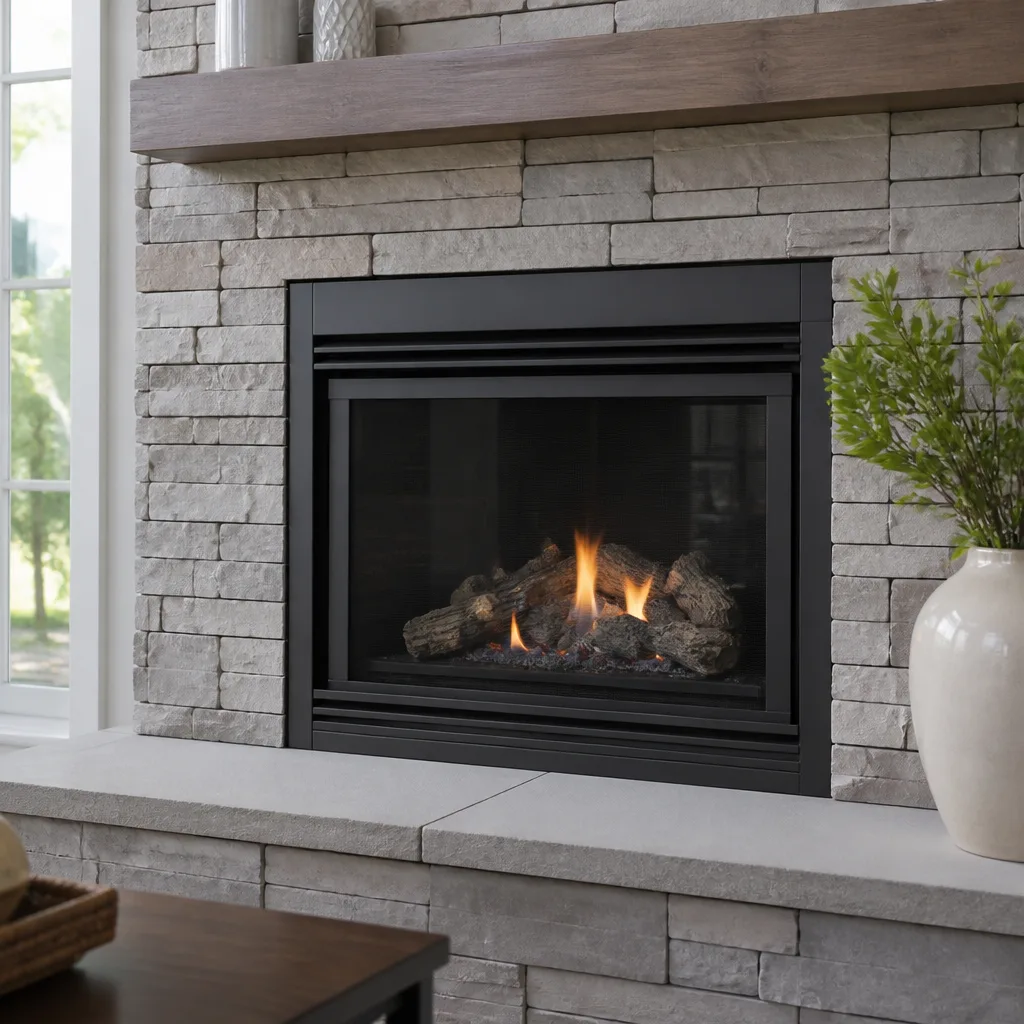
- Assuming a gas insert means no maintenance. Gas fireplaces produce corrosive condensation and still require venting inspection. The ceramic logs degrade and can obstruct proper flame pattern. Annual inspection applies to all fuel types.
- Waiting for visible damage inside the house. By the time you see water stains on drywall or smell smoke in an upstairs bedroom, the underlying damage is extensive. Exterior and flue problems progress invisibly for years.
- Hiring based on the lowest quote without documentation. A sweep who won’t show you camera evidence, won’t put guarantees in writing, or can’t explain what they found in plain English is selling uncertainty. The cheapest bid often becomes the most expensive mistake.
- Forgetting wildlife seasonality. In Leesburg, March through July is active nesting. A cap missing in April is an occupied flue by May. Don’t wait until September to discover you have tenants.
When to Call a Professional
Call a certified chimney professional when you encounter any of the following: smoke entering your home during normal operation, visible cracks in the flue liner or firebox, water stains on interior walls near the chimney, animal sounds or odors from the flue, a chimney fire (rapid rumbling, dense smoke, or flames visible from the top), or if it has been more than 12 months since your last professional inspection.
At Hearthstone Chimney Co. home, we answer with a live person 24 hours a day, 7 days a week - no voicemail, no callback queue. Our background-checked, uniformed technicians complete most jobs in a single visit, and every recommendation comes with photo evidence and a plain-English explanation. Hearthstone Chimney Co. offers free estimates in Leesburg - call (571) 701-7519.
Frequently Asked Questions
A standard chimney sweep with Level-1 inspection in Leesburg typically costs $175 to $250, while a Level-2 sweep with camera inspection runs $275 to $400. Prices vary based on chimney height, number of flues, and accessibility. Call (571) 701-7519 for an exact quote - estimates are free.
You need a new liner only if your existing liner is cracked, deteriorated, or absent - and only if that condition is documented with camera evidence you can see. At Hearthstone Chimney Co., we never recommend liner replacement without showing you the photos and explaining exactly what failure we found. If another company says you need a liner, get a free second opinion from us.
The National Fire Protection Association recommends annual inspection, with sweeping as needed based on creosote accumulation. Most Leesburg homeowners who burn regularly (3+ times weekly during season) need annual sweeping. Occasional users may extend to every two years if inspection shows minimal buildup. Our $89 Seasonal Tune-Up makes annual maintenance straightforward.
Skipped maintenance leads to creosote accumulation, which causes chimney fires - over 25,000 per year nationally, many in older homes with clay tile liners that crack under thermal shock. Deteriorated liners and blocked flues also allow carbon monoxide intrusion. In Leesburg’s housing stock, with many homes built before modern liner standards, the risk of hidden deterioration is higher. The cost of prevention is a fraction of the cost of fire damage, medical emergency, or liner collapse requiring full rebuild.
You can perform the five ground-level checks in this guide safely. Mechanical sweeping of the flue, smoke shelf cleaning, and camera inspection require proper equipment and training. More importantly, only a trained eye knows what deteriorated conditions look like - we’ve seen homeowners “clean” past cracked liners and failing mortar joints they didn’t recognize. For safety-critical systems, professional evaluation is the sound choice.
September for sweeps and inspections, before first use. April through August for masonry repairs and major work, when dry weather aids curing and contractors have better availability. Emergency repairs happen year-round, but planning ahead saves money and stress.
The Bottom Line
A chimney checklist worth following is built around what fails - not generic reminders. For Leesburg homeowners, that means respecting the October-through-March burning season with monthly ground checks, scheduling professional sweeps every September with camera documentation, watching for February freeze-thaw damage and March-through-July wildlife intrusion, and maintaining photo baselines that protect you from unnecessary repair sales. The three most skipped items - smoke shelf condition, cap mesh integrity, and flue-to-crown sealing - cause more repeat service calls than any other preventable issues. Done right, chimney maintenance is not complicated. It is simply specific, seasonal, and documented. We’ve been doing it this way in Leesburg for over 42 years, and we plan to be here for decades more.
Written by Russell Haines, Owner at Hearthstone Chimney Co., serving Leesburg since 2014.