
Last updated September 10, 2026
Level 1 sweep and inspection to the NFPA 211 annual standard - flue, crown, cap, and flashing checked and photographed
Chimney sweep logs do not sweep chimneys. They loosen some creosote - which then falls where a brush and vacuum still have to collect it.
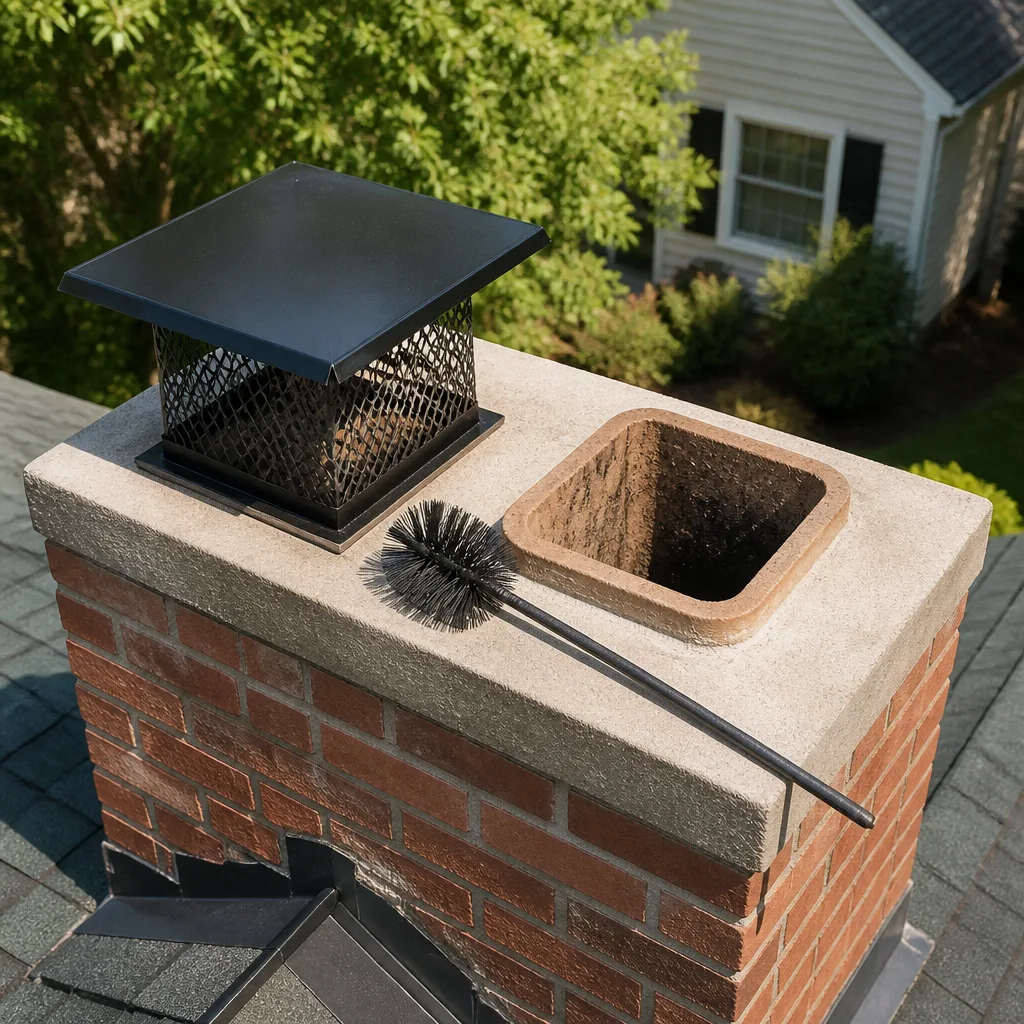
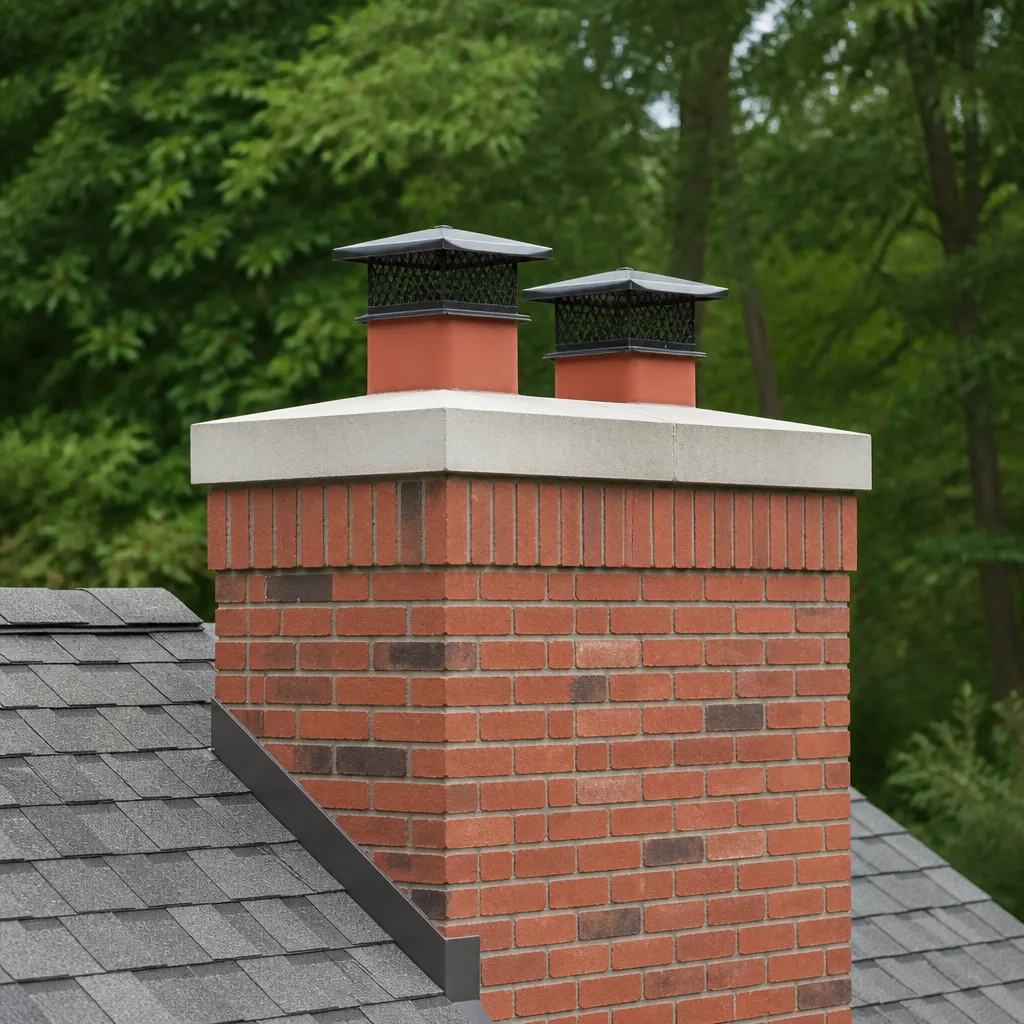
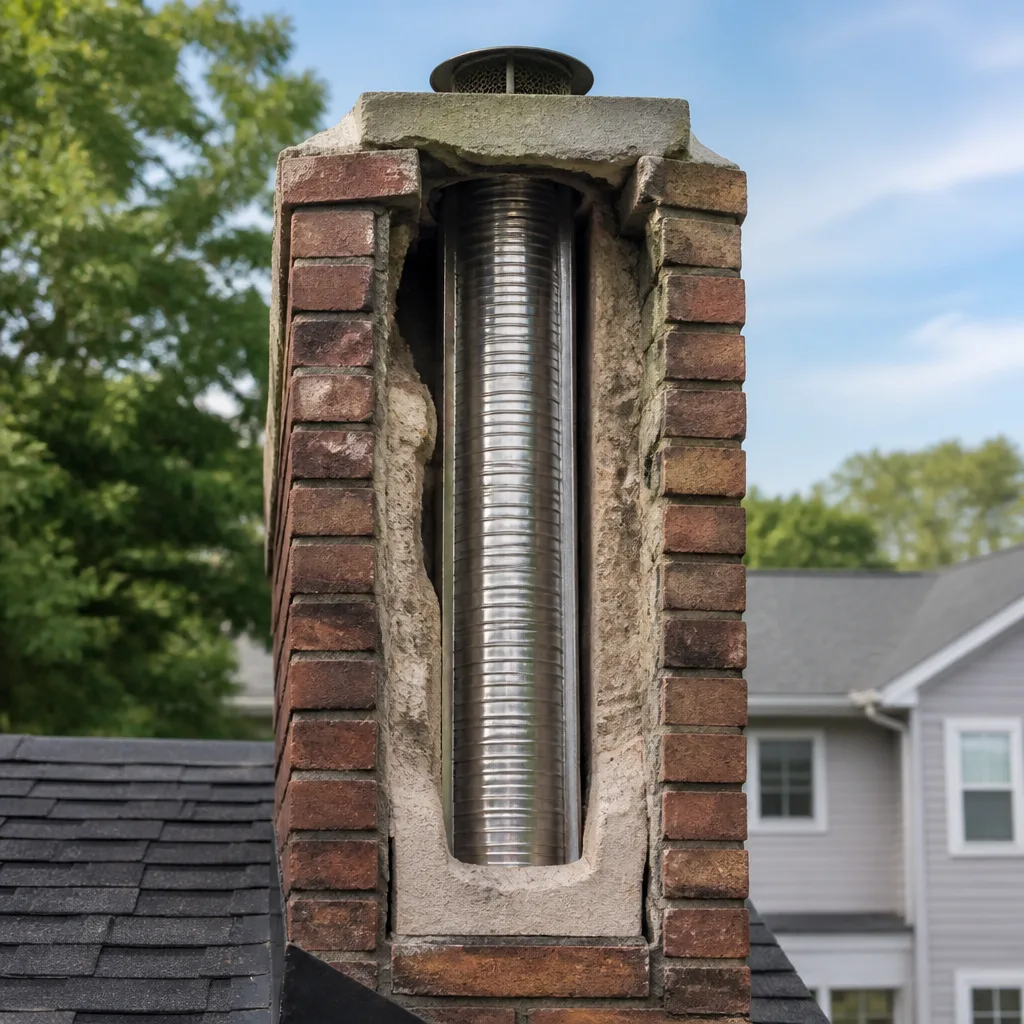
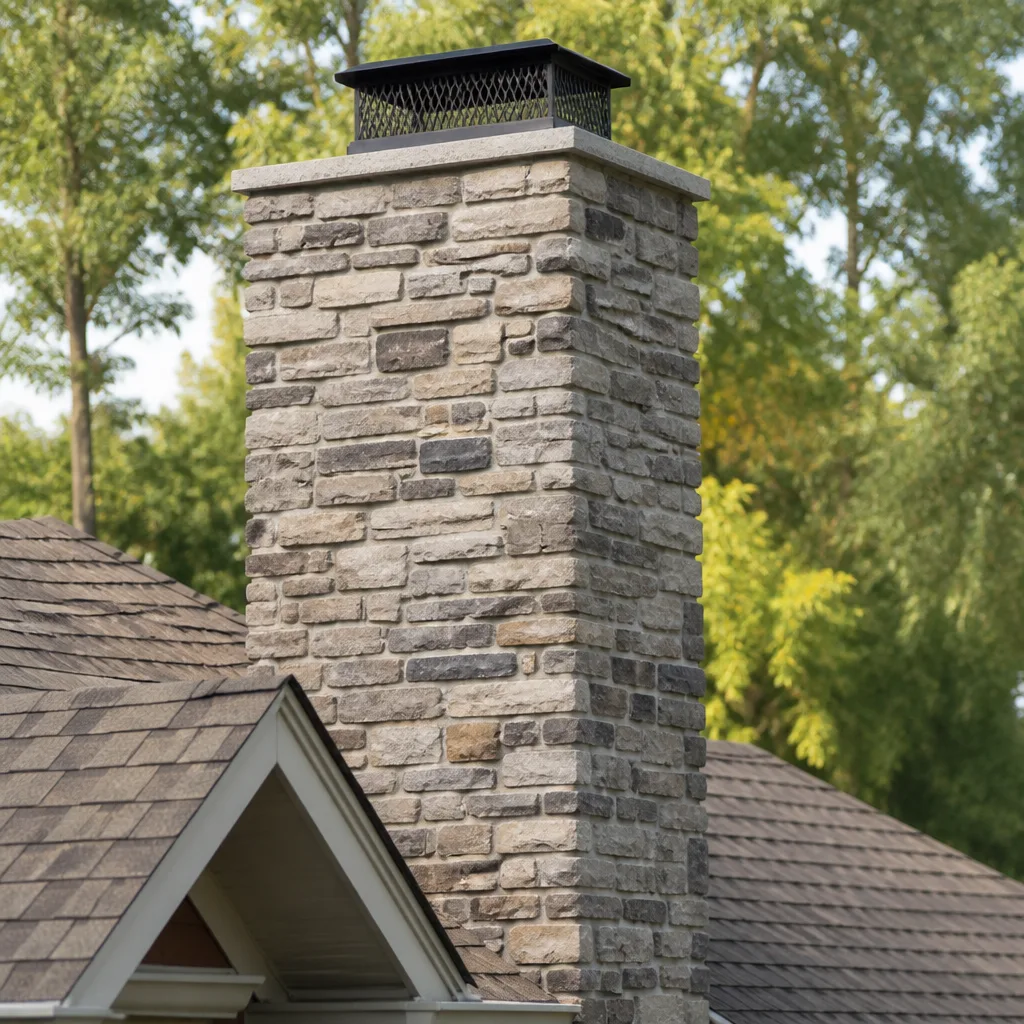
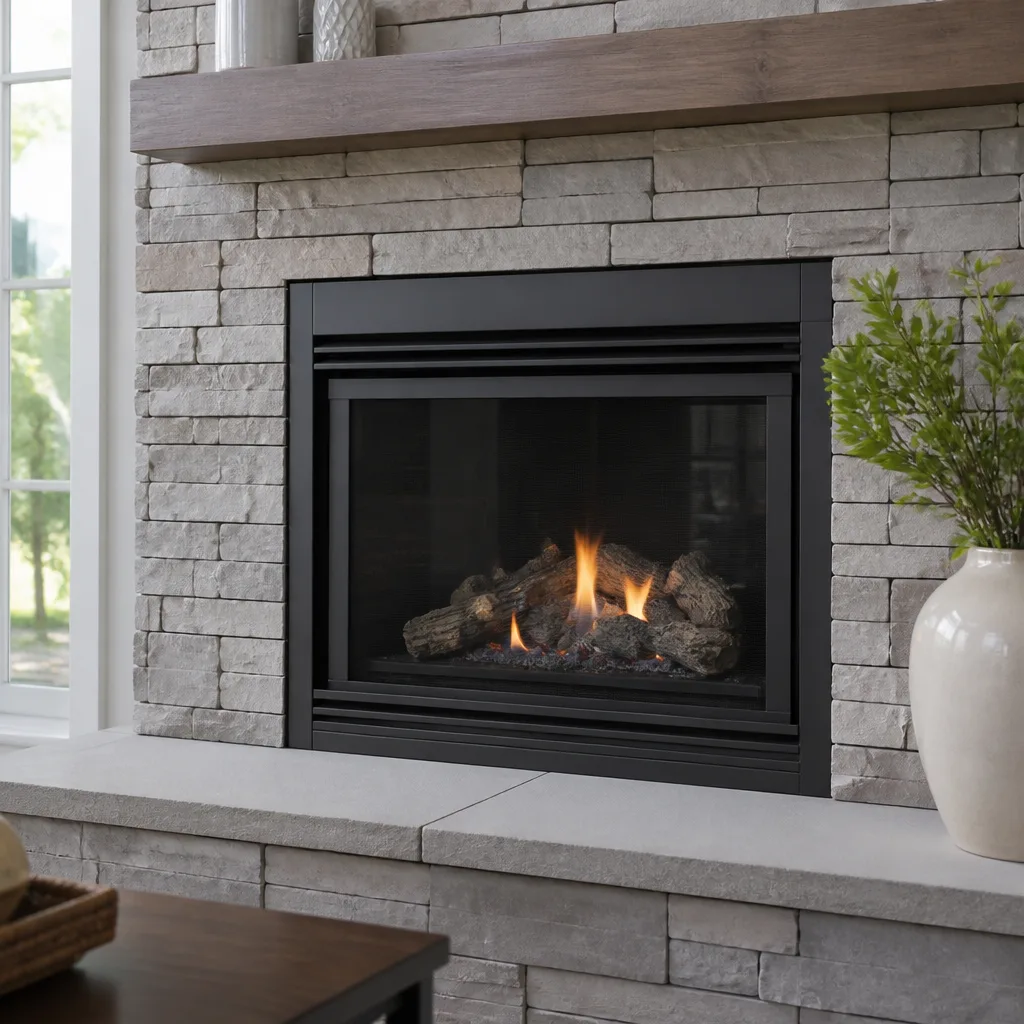
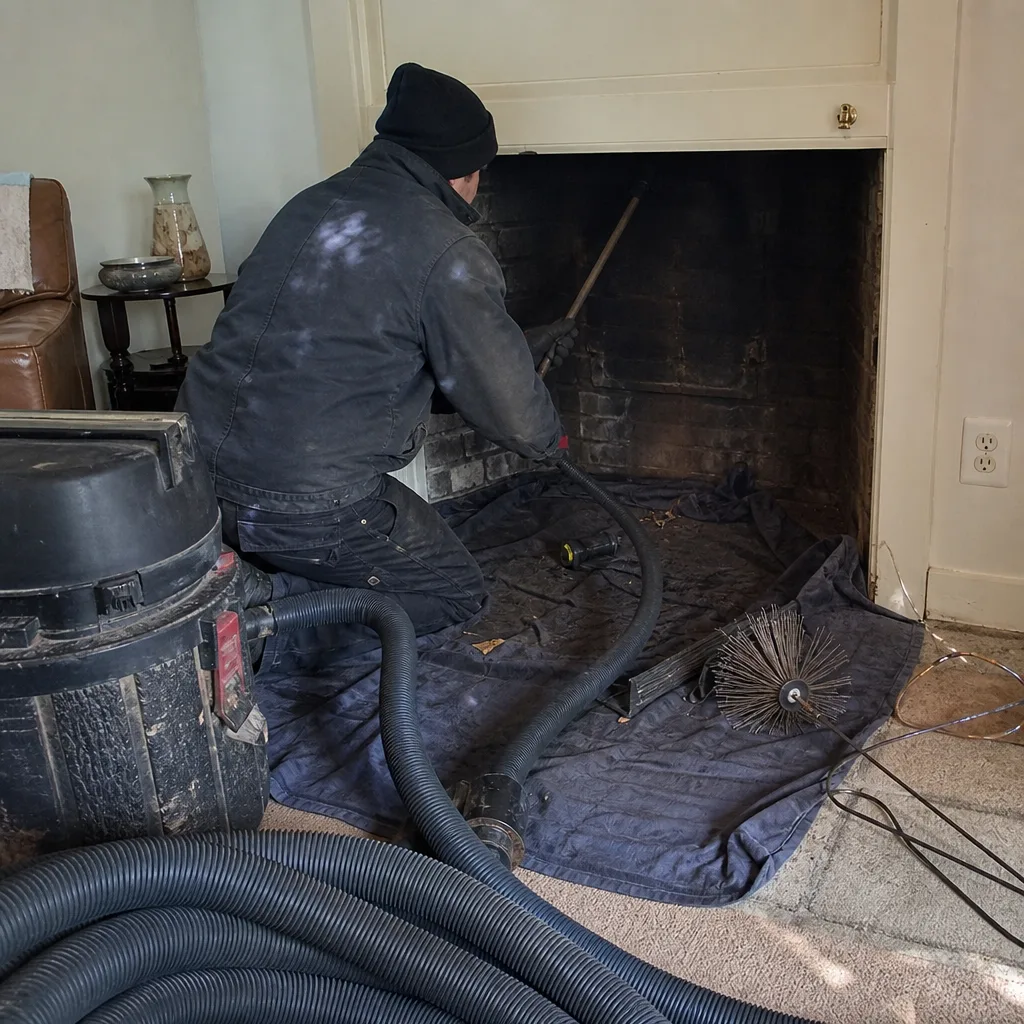 Before
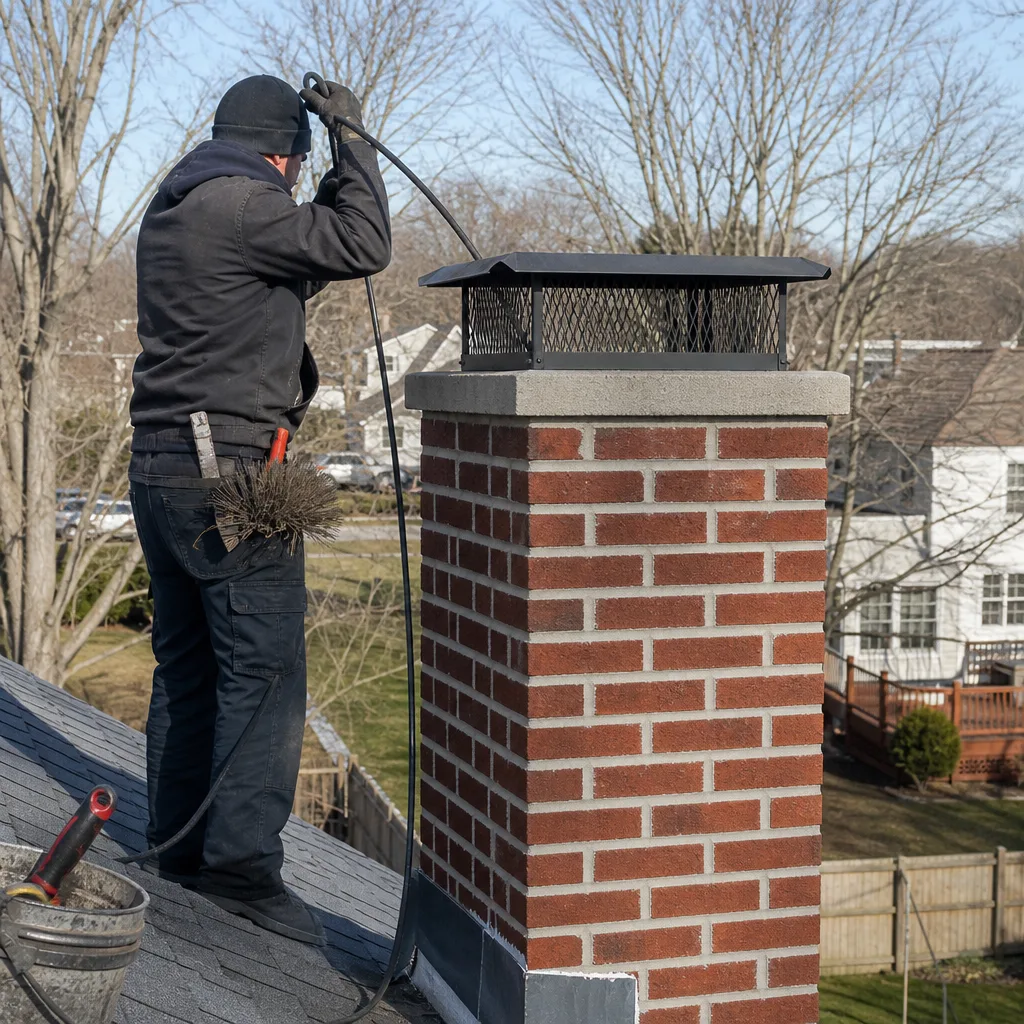 After
After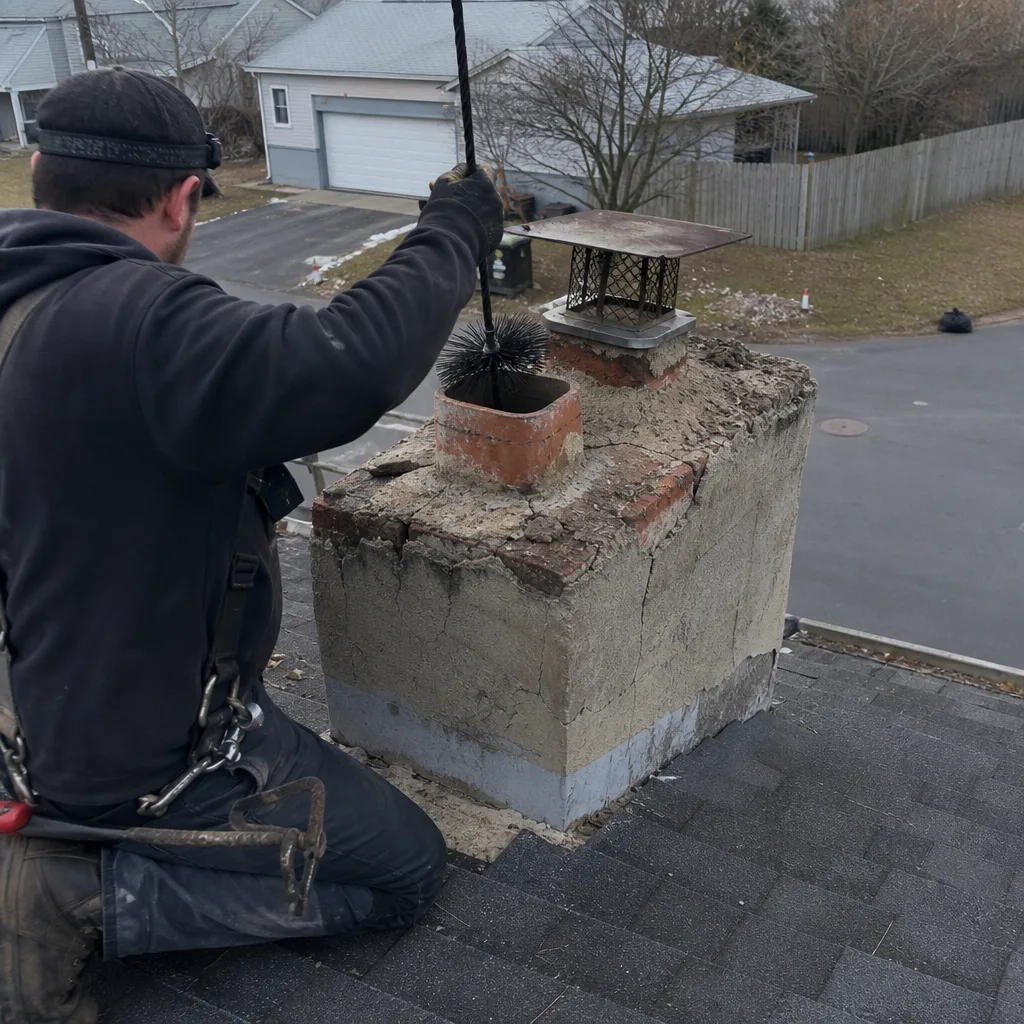 Before
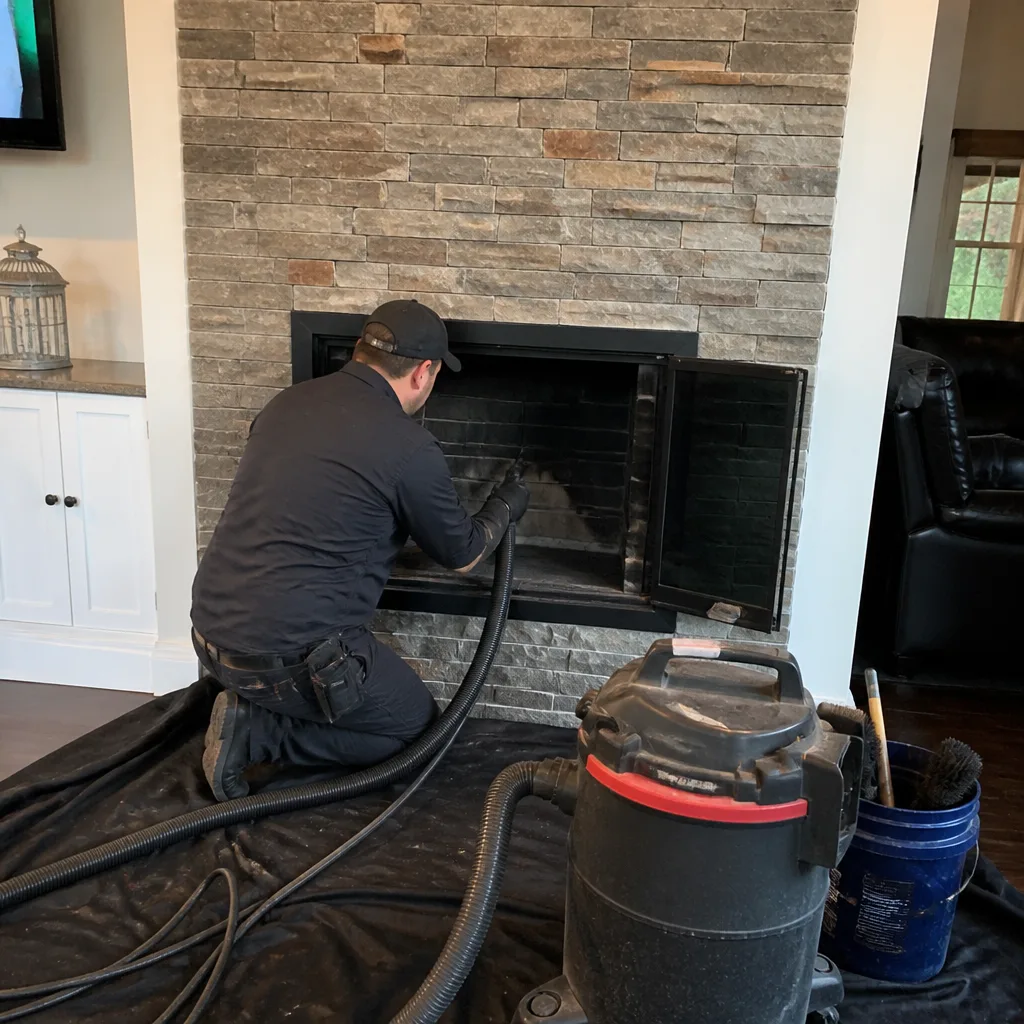 After
After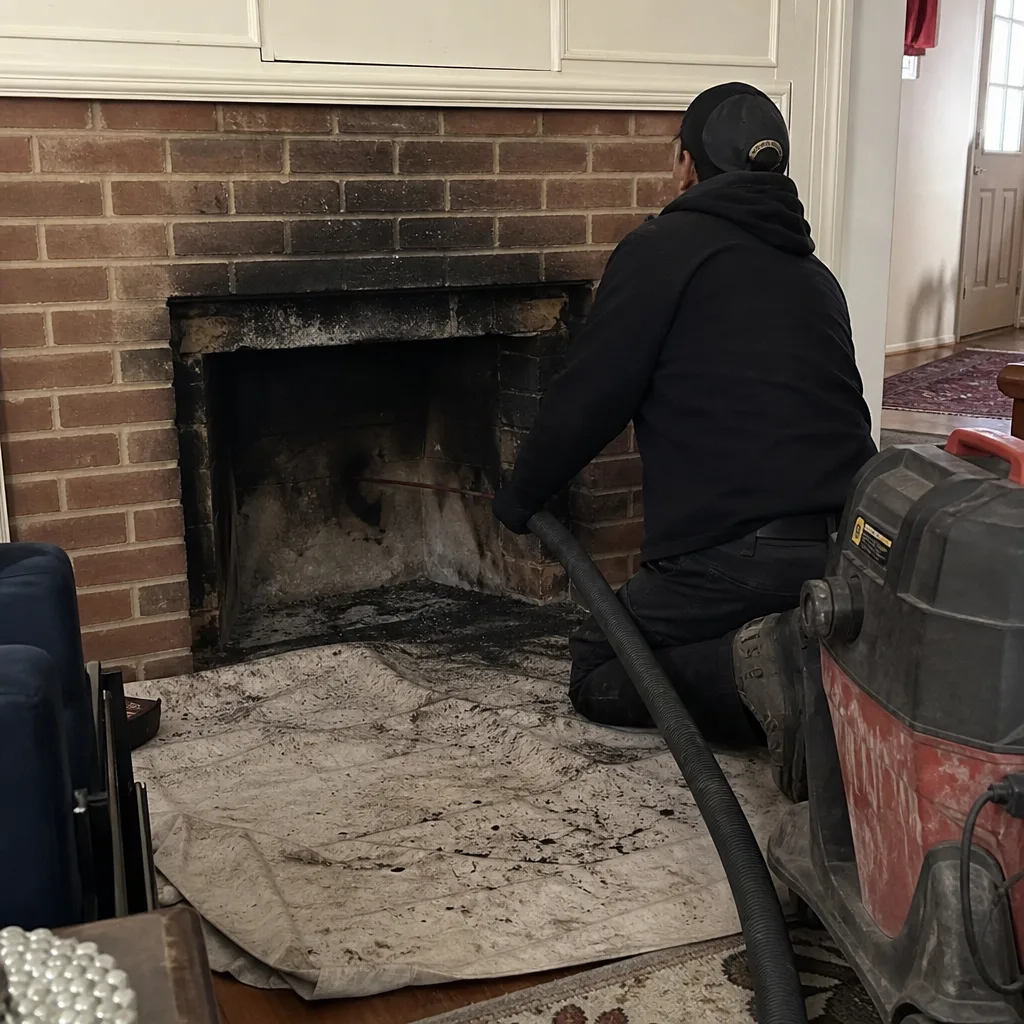 Before
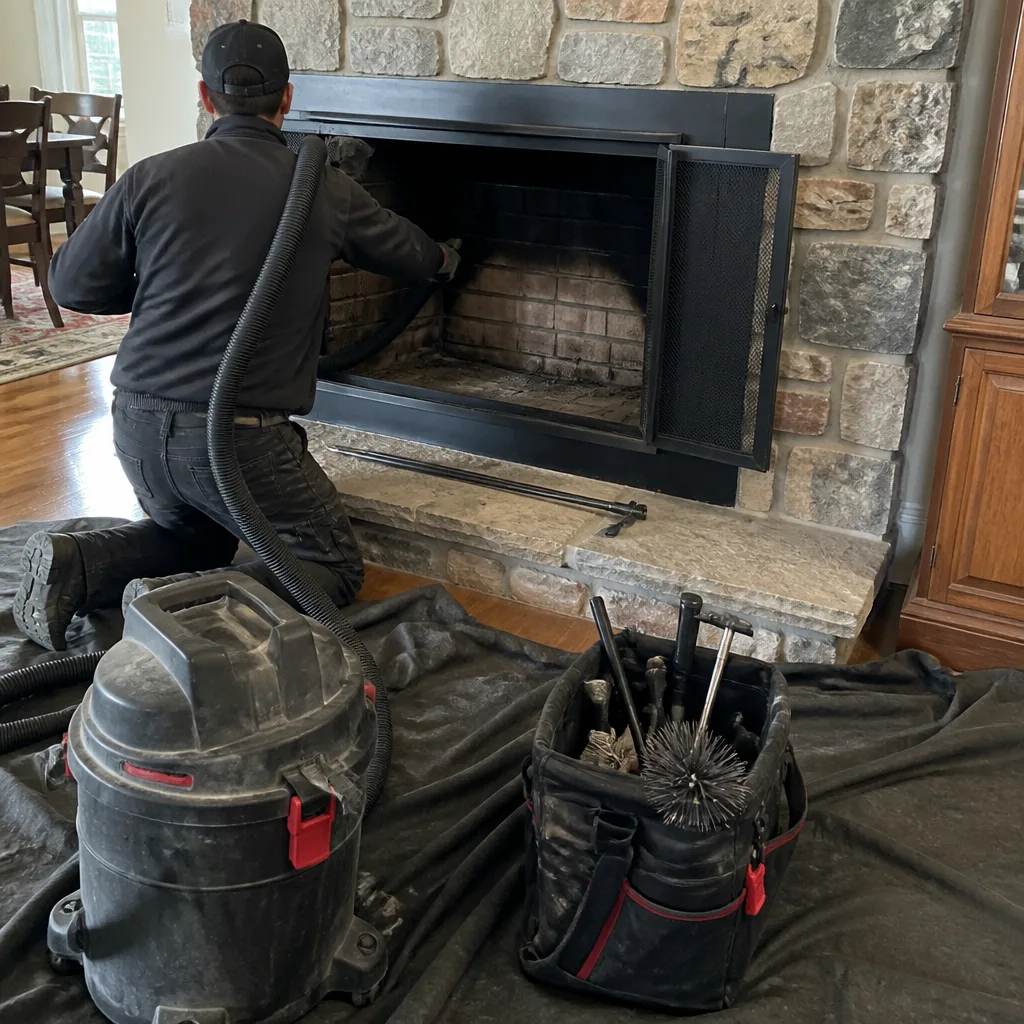 After
AfterSeasonal Chimney Cleaning Care for Leesburg: Year-Round Homeowner’s Guide
Spring is the most dangerous season for a Leesburg chimney, not winter. Between March and June, the combination of wildlife nesting, moisture intrusion after freeze-thaw cycles, and a flue still coated with combustion residue creates conditions that cause more structural damage than any other stretch of the year. In our 42 years serving Loudoun County, we’ve seen more crown failures, liner corrosion, and masonry spalling begin in April than in January. This guide maps exactly what your chimney faces from January through December, and what to do about it before the damage becomes a four-figure repair.
Quick Answer
A year-round chimney maintenance plan for Leesburg means four distinct actions: a mid-winter check after hard freezes for crown and mortar damage, a post-burning-season sweep and inspection in March or April before humidity peaks, summer repairs when temperatures allow proper curing of sealants and mortar, and a pre-season Level-2 inspection in August or September before October’s booking rush. Done this way, annual costs stay predictable and emergency repairs stay rare.
Table of Contents
- Winter: Freeze-Thaw Damage and Mid-Season Checks
- Spring: The Hidden Danger Season
- Summer: The Repair Window
- Fall: The Pre-Season Rush
- Building a Four-Season Maintenance Budget
- Common Mistakes to Avoid
- When to Call a Professional
- Frequently Asked Questions
Winter: Freeze-Thaw Damage and Mid-Season Checks
Leesburg winters average 22 nights below 20°F, and the real threat to your chimney isn’t the cold itself. It’s the cycling. A January day that starts at 15°F and hits 45°F by afternoon forces moisture trapped in masonry to expand and contract. Do that twenty times in a season, and hairline cracks in the crown become channels. By February, water is reaching the flue liner and the freeze-thaw cycle is working from the inside out.
We see this pattern most often in neighborhoods built during Leesburg’s 1990s expansion, places like Ashburn Village and the older sections of Lansdowne. Those homes are hitting thirty years, which is exactly when original crown sealants fail and mortar joints begin to deteriorate. The damage isn’t visible from the ground. That’s why we recommend a mid-season check after any stretch of hard freezes, especially if you’ve noticed:
- White efflorescence staining on exterior brick, particularly on the south-facing exposure where sun hits frozen masonry
- Water marks on the firebox ceiling or rust streaks on the damper
- A draft that worked fine in November but seems sluggish by January
- Debris or ice in the cleanout door
The mid-season check isn’t a full sweep. It’s a focused exterior and interior visual inspection, typically 30-45 minutes, that identifies whether freeze-thaw has opened new pathways for water. For a deeper look at what’s involved, see our Chimney Cleaning Permits, Codes & Inspections in VA: What You Need to Know. If we find crown cracking or mortar joint separation, we document it with photos and give you a plain-English verdict on whether it can wait for summer repair or needs immediate attention. In most cases, it can wait. But knowing the difference is what keeps a $200 crown seal from becoming a $3,000 rebuild.
One specific note for Leesburg’s hillside homes, particularly those above Goose Creek or along the Catoctin Ridge: wind exposure accelerates freeze-thaw damage. We’ve seen chimneys in those locations require crown maintenance five to seven years earlier than sheltered properties. If your home sits exposed, the mid-season check is not optional.
Spring: The Hidden Danger Season
March through June is when most Leesburg chimneys sustain damage that won’t show symptoms until October. The reasons stack on top of each other, and homeowners who skip post-season maintenance are gambling with the most expensive repair season of the year.
Wildlife nesting: In Loudoun County, the breeding window for chimney swifts runs April through June, with starlings and squirrels active earlier. A flue that still smells like wood smoke reads as a hollow tree to these animals. Once a nest is established, removal requires wildlife permits for protected species, and the nesting material itself is a fire hazard. A professional sweep in March or early April, before nesting begins, removes the scent residue and lets us install a proper cap if yours is missing or damaged.
Moisture intrusion: Spring in Leesburg brings 4.5 inches of rain in April and May combined, with humidity climbing through June. A crown with winter damage, a flue without a cap, or deteriorated flashing becomes a direct channel for water into the chimney structure. The combination of creosote residue (acidic when wet) and trapped moisture corrodes stainless steel liners and spalls brick from the inside. We’ve pulled liners in Leesburg homes that looked sound in February and were perforated by May.
Post-season cleaning timing: The ideal window is March 15 to April 30, after the last hard freeze and before humidity peaks. Here’s what happens during that visit:
- Full rotary sweep of the flue to remove glazed creosote and combustion residue
- Level-2 camera inspection from top to bottom, with photos you receive and keep
- Exterior inspection of crown, cap, flashing, and visible masonry
- Firebox and damper assessment
- Plain-English verdict on what’s fine, what needs monitoring, and what needs repair
The inspection documentation matters. If we find crown cracking in April, you have May through September to schedule repair at your convenience, not in an October panic. If the liner shows deterioration, you have time to budget and schedule rather than facing a “no burn” recommendation on the first cold night.
In our experience, Leesburg homeowners who book spring maintenance spend 40-60% less on average annual chimney costs than those who wait for fall symptoms. The difference is catching problems when they’re small.
Summer: The Repair Window
Summer is when we do the work that spring inspections identify. Temperatures between 70°F and 85°F allow proper curing of crown sealants, mortar mixes, and waterproofing treatments. Try to apply these in October, and the overnight cold prevents full bonding. Try in January, and it’s impossible.
Chimney cap and crown repairs: High attic temperatures in Leesburg’s July and August, often exceeding 130°F in unventilated spaces, stress existing sealants and can accelerate deterioration of already-compromised crowns. We use this season to remove failed sealant, repair crown cracks with professional-grade materials, and reinstall caps with proper clearance. For cap replacements, we specify brands like Famco and Olympia Chimney, which we’ve found hold up to Loudoun County’s temperature swings better than builder-grade alternatives.
Tuckpointing and masonry: Mortar joints that showed deterioration in spring need grinding and repointing before fall. Summer humidity, while high, is stable enough for proper curing if work is scheduled for morning hours. We complete most tuckpointing jobs in a single visit, with color-matched mortar that blends with existing work.
Liner assessment and replacement: If spring inspection revealed liner deterioration, summer is the only practical window for replacement. Stainless steel liners from DuraFlex, properly sized and installed, require a full day of work with the flue open to ambient temperatures. We won’t schedule these after September 1 in Leesburg, because the first cold snap can arrive by late September and leave a household without heat.
Waterproofing treatments: For older masonry chimneys, particularly in Leesburg’s historic district and homes near the W&OD Trail built before 1960, we apply vapor-permeable waterproofing that allows brick to breathe while shedding liquid water. This must cure for 72 hours without rain, which makes July the most reliable window.
The summer repair schedule has another advantage: availability. Our technicians have open calendar slots, and pricing reflects the season. The same crown repair that costs $380-$520 in July often carries a 15-20% premium in October when demand spikes.
Fall: The Pre-Season Rush
October is the most booked month for chimney services in Leesburg, and it’s not close. Homeowners who haven’t thought about their chimney since March suddenly remember it exists. The problem isn’t just availability. It’s that by October, any damage that started in spring has had six months to worsen, and the first cold night creates urgency that overrides good decision-making.
We see three predictable scenarios every October:
- The homeowner who skipped spring maintenance and now has a blocked flue from a summer nest, requiring emergency removal and often liner damage repair
- The homeowner with a cracked crown who watched it all summer, now facing water intrusion that accelerated through September rains
- The new home buyer in Leesburg who didn’t request a chimney inspection at closing and discovers the fireplace is unusable
The solution is simple: schedule your pre-season inspection in August or early September. “Ready to burn” means four specific things, and we verify each one with documentation:
- Flue is clear of obstructions and creosote buildup is below 1/8 inch
- Liner is intact with no visible gaps, cracks, or corrosion
- Crown, cap, and flashing are watertight
- Damper operates fully and seals when closed
If all four check out, you receive a written “ready to burn” certification with your inspection photos. If something needs attention, you have September to schedule repair before the first fire.
One practical note for Leesburg’s newer developments: homes in areas like One Loudoun or the villages south of Route 7 often have factory-built fireplaces with metal chimneys. These systems have different failure modes, typically involving chase cover rusting and improper clearances to combustibles. The pre-season inspection for these units focuses on chase condition, termination cap integrity, and manufacturer-specified clearances. We’ve found that builders’ original chase covers often fail within 10-12 years in our climate.
Building a Four-Season Maintenance Budget
The homeowners we serve longest are the ones who stopped treating chimney care as a surprise expense and started treating it as predictable maintenance. For a detailed breakdown, see our Chimney Cleaning Cost Breakdown: The Leesburg Homeowner’s Reference for 2026. Here’s how the numbers work for Leesburg’s market, based on what we’ve quoted and completed over the past five years.
Annual baseline (every home with a wood-burning fireplace):
- Level-2 inspection with rotary sweep: $289-$349
- This is non-negotiable. Skip it, and everything below becomes more likely.
Periodic maintenance (every 3-5 years, depending on age and exposure):
- Crown sealant repair or reapplication: $180-$340
- Chase cover replacement (factory-built units): $450-$780
- Cap replacement with screening: $220-$390
Condition-based repairs (addressed when inspection finds need):
- Stainless steel liner repair or section replacement: $1,200-$2,800
- Tuckpointing (localized): $680-$1,400
- Partial rebuild (crown and upper courses): $2,400-$4,500
The four-season budget approach means setting aside $400-$600 annually in a dedicated home maintenance reserve. In years with only the baseline inspection, the surplus rolls forward. In years with crown work or cap replacement, the reserve covers it without a credit card charge. In years with unexpected liner damage, the reserve plus the accumulated surplus often covers the full cost.
Compare this to the alternative: the homeowner who skips three years of inspections, discovers a failed liner and water-damaged masonry in October, and faces a $4,000-$6,000 repair with no time to get competing quotes. We’ve seen that scenario dozens of times. It’s avoidable.
Our chimney repair services in Leesburg include no-hassle upfront pricing, the number on the estimate is the number on the invoice. For homeowners building their first maintenance budget, we offer a free estimate that breaks out recommended work by priority: what’s needed now, what should happen within 12 months, and what can be monitored.
Common Mistakes to Avoid
- Waiting for October to think about your chimney. By then, every reputable sweep in Loudoun County is booked two to three weeks out, and you’re choosing between waiting in the cold or paying premium rates for rushed work.
- Assuming a gas fireplace needs no inspection. Gas units don’t produce creosote, but they do produce moisture that corrodes liners, and their venting systems can be blocked by debris. We inspect gas fireplaces annually, with a different protocol.
- Buying a chimney cap at a hardware store and installing it yourself. Improperly sized caps create downdraft problems and can trap moisture. We’ve removed dozens of DIY caps that caused more damage than they prevented.
- Ignoring efflorescence as “just staining.” That white powder on your brick is mineral salts left by water moving through the masonry. It means water is getting in, and the freeze-thaw cycle is already at work.
- Hiring based on the lowest quote without asking about insurance, licensing, or what’s included. In Virginia, chimney sweeps are not regulated by a dedicated state board, which means anyone can call themselves one. Ask for proof of general liability and workers’ compensation insurance, and ask whether the quote includes a camera inspection with photos.
- Burning unseasoned wood to “save money.” Wood with moisture content above 20% produces cooler fires that generate more creosote, requiring more frequent sweeps and increasing fire risk. In Leesburg’s humid summers, even “seasoned” wood often needs an extra year to dry properly.
- Skipping the inspection after a chimney fire. Even a small chimney fire, often sounding like a low rumble or intense wind, can crack clay tile liners and damage mortar joints. The chimney may look fine from below and be structurally compromised.
When to Call a Professional
Call a sweep immediately if you notice smoke entering the room, a strong odor of creosote during humid weather, visible cracks in the firebox, or any signs of water in the cleanout area. These are not “watch and wait” symptoms. If you’ve had a chimney fire, even a suspected one, the flue needs camera inspection before the next burn.
Schedule a professional inspection if your chimney hasn’t been swept in the past 12 months, if you’ve recently purchased your Leesburg home and have no documentation of prior service, or if you’re planning to convert from wood to gas or vice versa. Fuel changes require verification that the venting system is properly sized and configured.
Hearthstone Chimney Co. offers free estimates in Leesburg. A technician will inspect your chimney, document findings with photos, and provide a written verdict with prioritized recommendations. No pressure, no upsell. For more guides & resources, visit our blog, or call (571) 701-7519 to schedule.
Frequently Asked Questions
A professional chimney sweep with Level-2 camera inspection in Leesburg typically runs $289-$349 for a standard wood-burning fireplace. This includes the rotary sweep, full camera inspection with photos you keep, firebox and damper check, and exterior crown and cap assessment. Gas fireplace inspections are slightly less. Call (571) 701-7519 for an exact quote on your specific system, estimates are free.
The National Fire Protection Association recommends annual inspection for all chimney systems, with sweeping as needed based on use and fuel type. In Leesburg’s climate, we find that wood-burning fireplaces used regularly need annual sweeping, while occasional-use fireplaces can sometimes extend to 18 months if the previous inspection showed minimal buildup. The inspection itself is the non-negotiable annual requirement.
It depends on the damage type and liner material. Clay tile liners with isolated cracks can sometimes be repaired with HeatShield cerfractory sealant, a product we’ve used successfully in Leesburg homes. Stainless steel liners with corrosion or separation typically need section replacement or full relining. We won’t recommend replacement without camera evidence you can see yourself, and we’ll tell you plainly when repair is a safe alternative.
Three things happen, progressively: creosote buildup increases fire risk and reduces draft efficiency; moisture intrusion degrades mortar and liner; small problems become large problems. We’ve opened chimneys in Leesburg that hadn’t been serviced in five years and found everything from blocked flues to collapsed liner sections to water damage requiring $5,000+ rebuilds. The annual inspection cost is trivial compared to the repair costs it prevents.
Spring maintenance in Leesburg catches winter damage before spring moisture accelerates it, removes creosote before humidity makes it corrosive, and schedules repairs for summer when materials cure properly and pricing is lower. Fall maintenance is reactive: you’re verifying you can burn, but any problems found mean emergency scheduling at peak rates.
You can, but you shouldn’t delay repair. A small crown crack in October becomes a water channel by November rains, and freeze-thaw through winter will enlarge it. We classify crown cracks by severity: hairline monitoring, sealed at next maintenance; visible with separation, repair within the season; through-crack with spalling, repair before next burn. We’ll show you which category yours falls into and explain why.
The Seasonal Tune-Up is a focused service visit for gas fireplaces and pellet stoves: burner and ignition check, venting inspection, safety control test, and cleaning of accessible components. It’s not a substitute for a full Level-2 inspection but serves as annual maintenance for systems that don’t produce creosote. Call (571) 701-7519 to confirm your unit qualifies.
The Bottom Line
Leesburg’s four seasons each present a distinct threat to your chimney: winter’s freeze-thaw cycling, spring’s moisture and wildlife, summer’s opportunity for proper repairs, and fall’s booking crunch that rewards the prepared homeowner. The homeowners who spend the least over a decade are not the ones who find the cheapest sweep. They’re the ones who maintain predictable annual inspection, address findings in season, and build a maintenance reserve that absorbs surprises without crisis. A chimney that is inspected, documented, and repaired on schedule will outlast the homeowner who neglects it by decades. That’s not optimism. It’s what we’ve observed in 42 years of looking inside them.
Our fireplace services in Leesburg cover everything from annual maintenance to full system upgrades, all backed by the 90-Day Done Right Promise. If you’re ready to put your chimney on a predictable schedule, call (571) 701-7519. A live person will answer, 24 hours a day, and we’ll get you on the calendar at a time that works.
Written by Russell Haines, Owner at Hearthstone Chimney Co., serving Leesburg since 2014.