
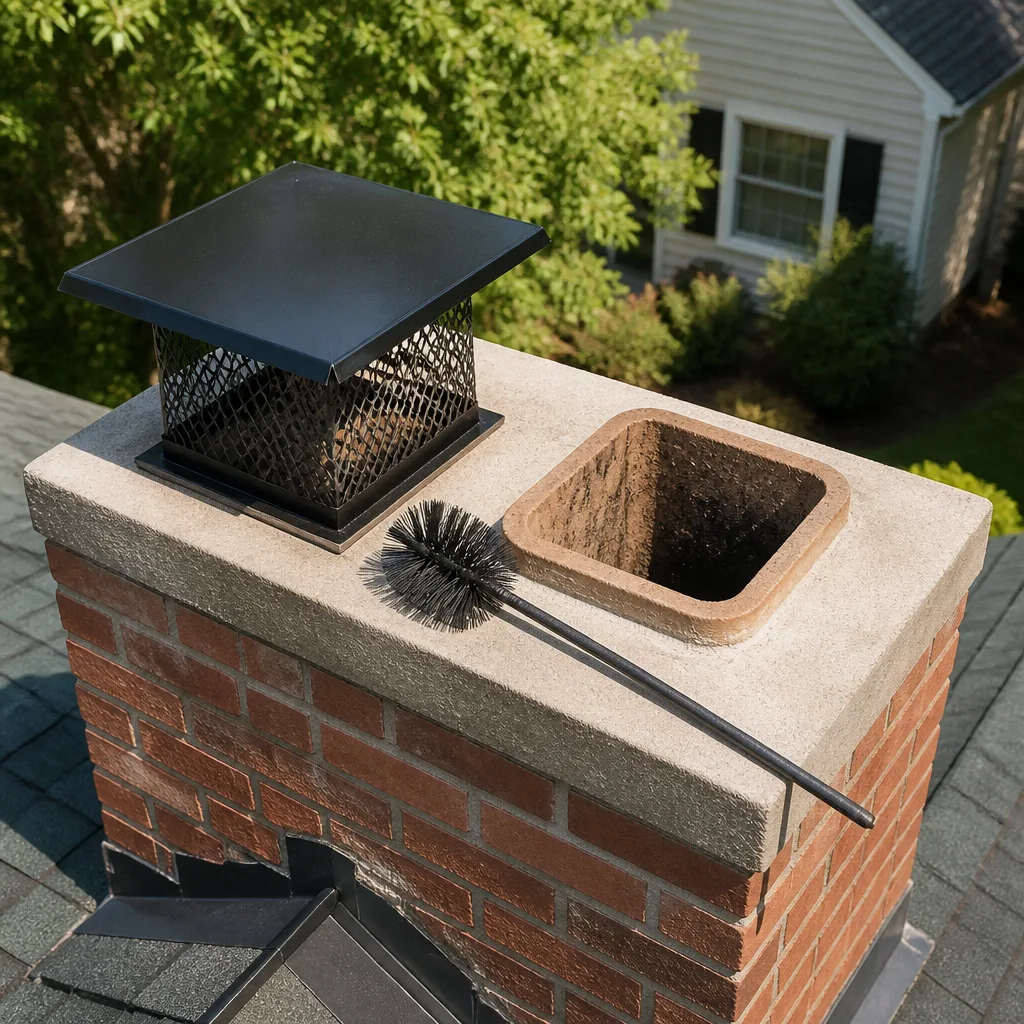
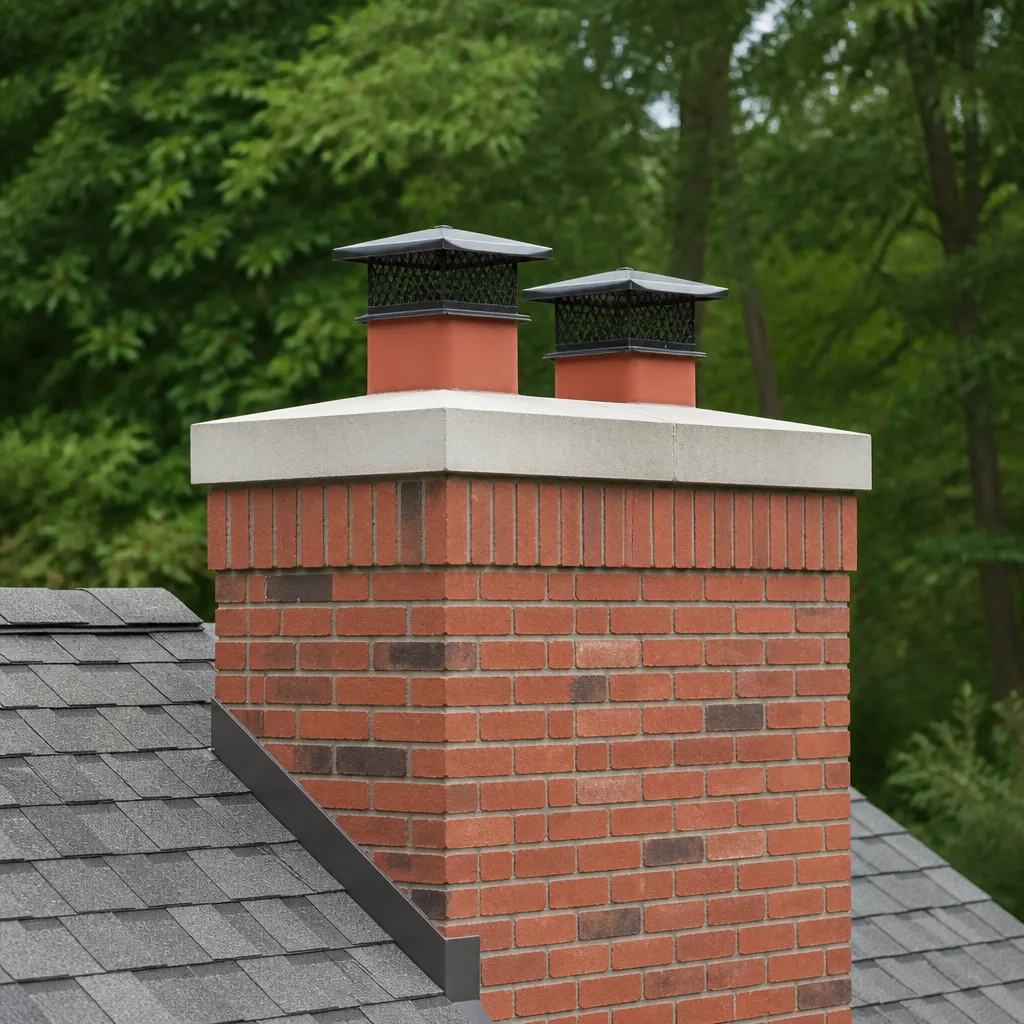
Level 1 sweep and inspection to the NFPA 211 annual standard - flue, crown, cap, and flashing checked and photographed
Chimney sweep logs do not sweep chimneys. They loosen some creosote - which then falls where a brush and vacuum still have to collect it.
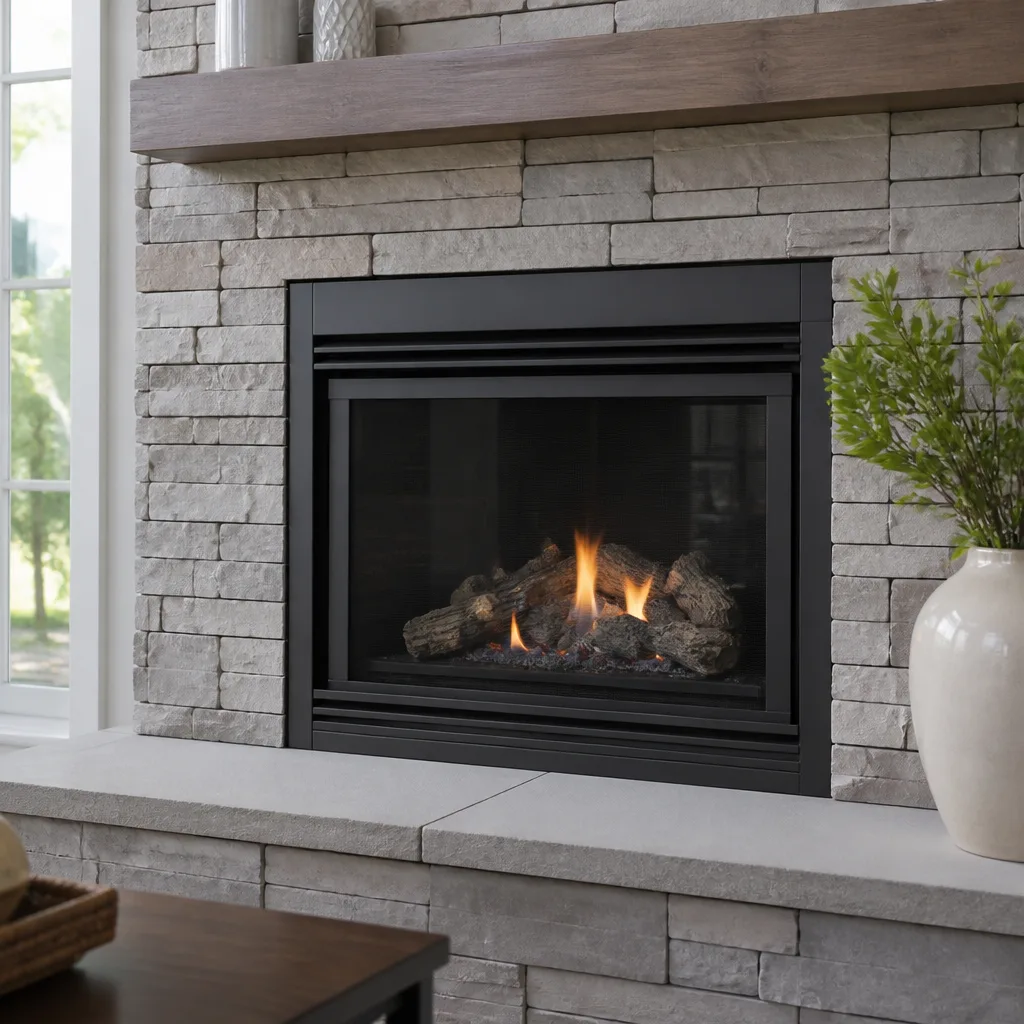
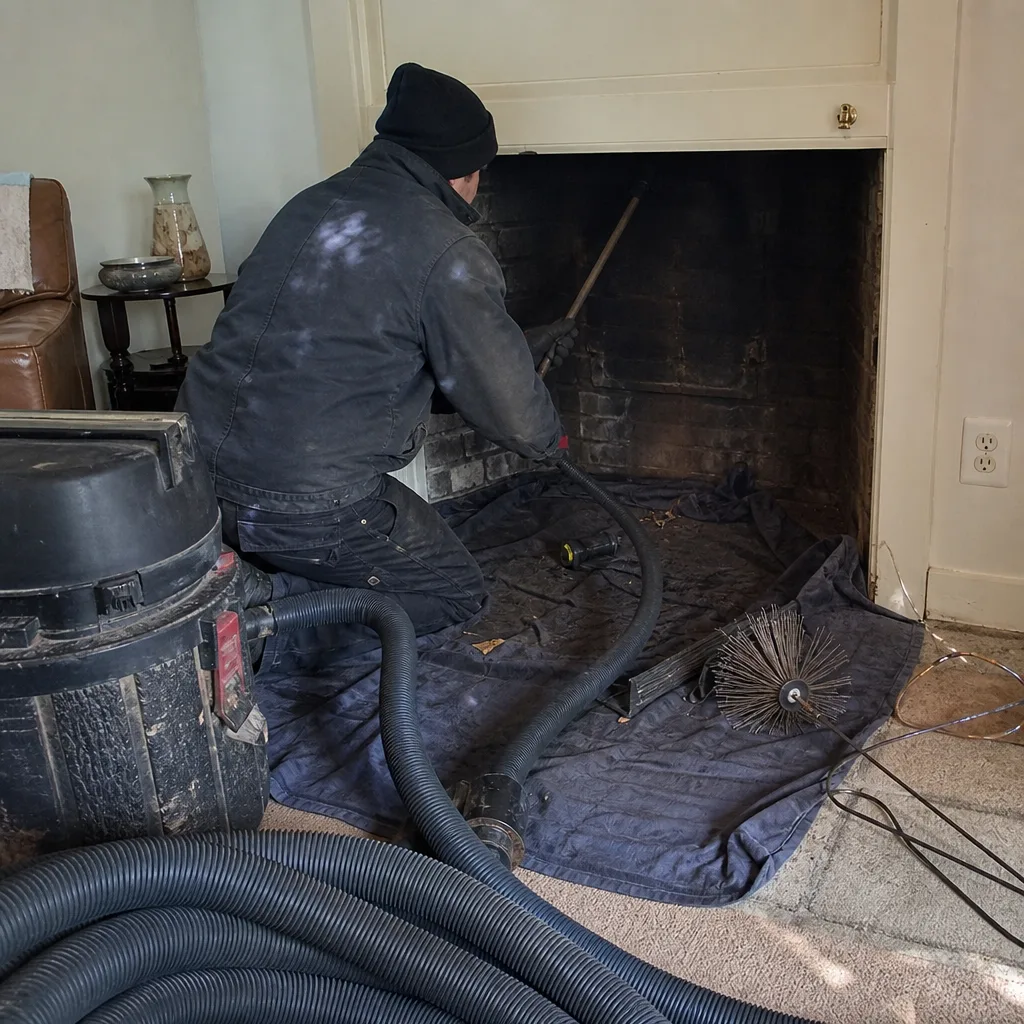 Before
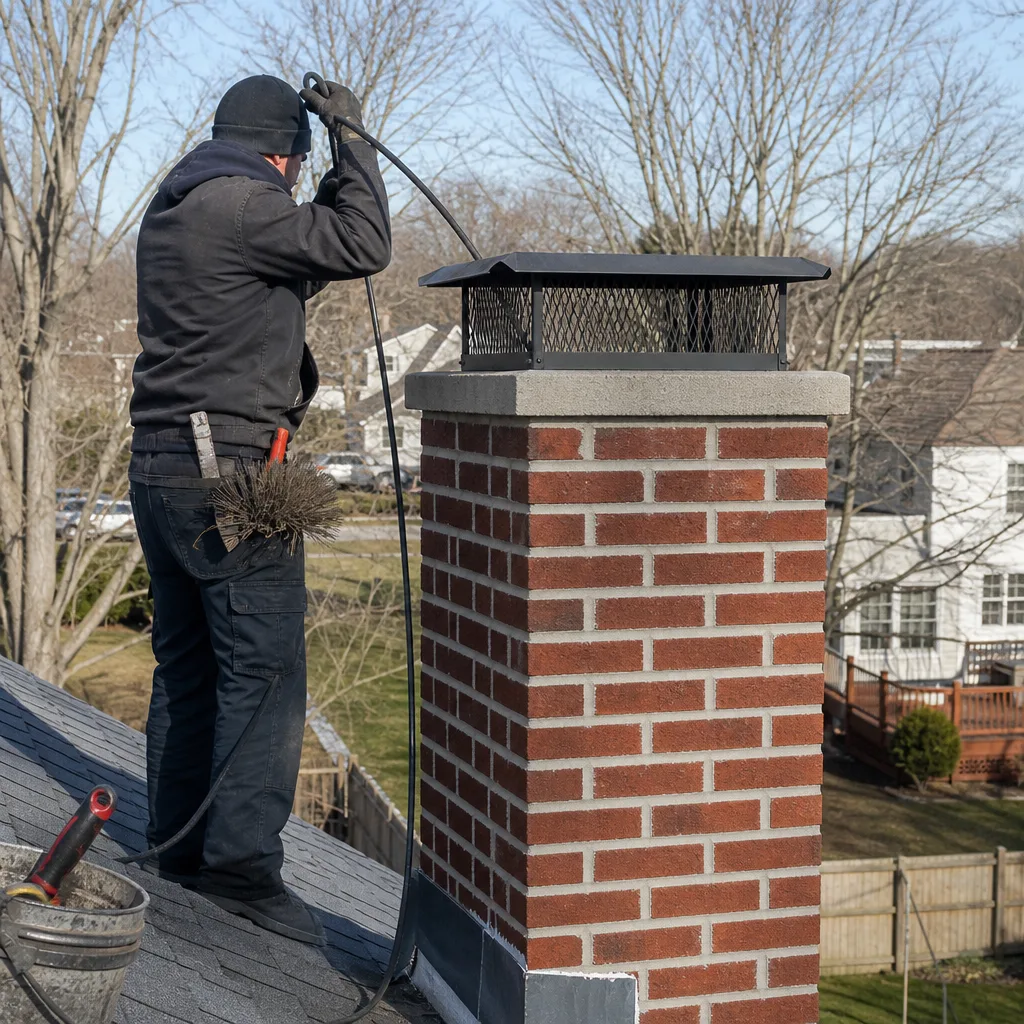 After
After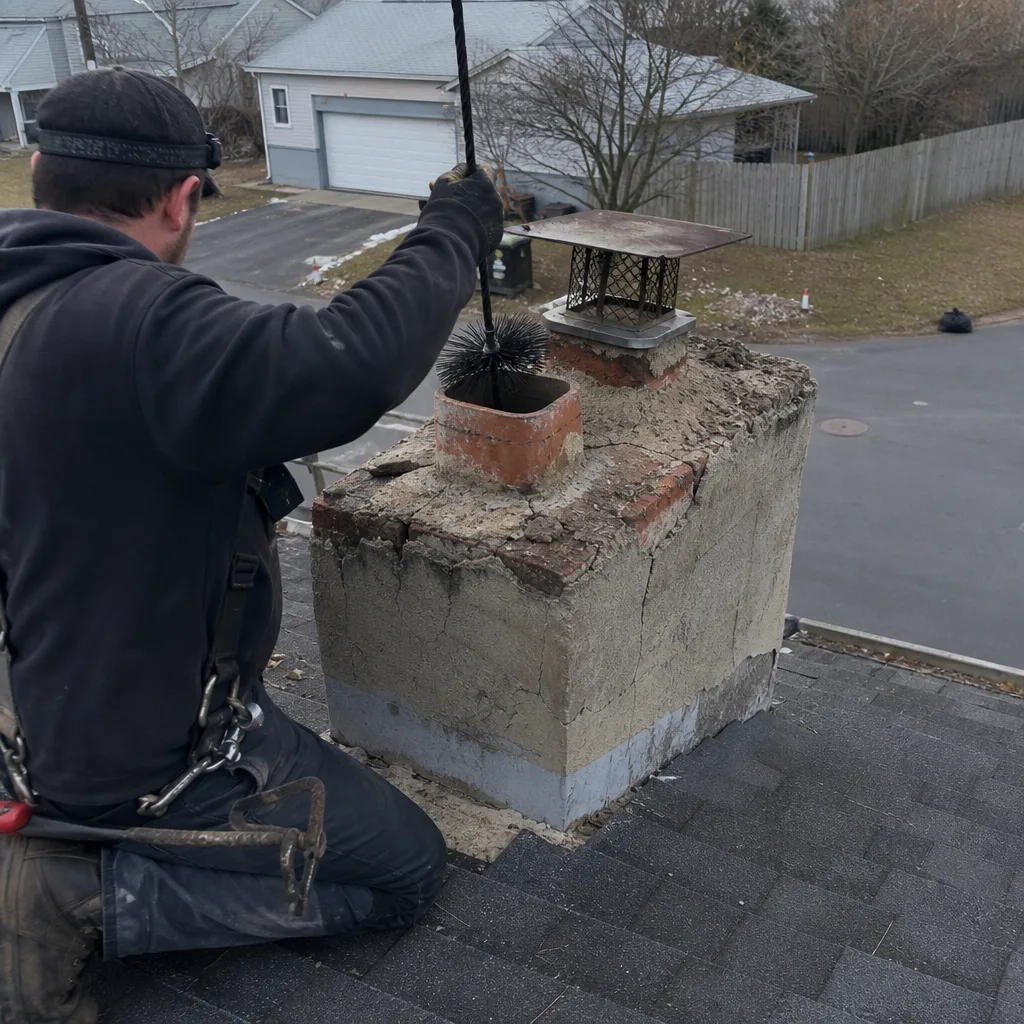 Before
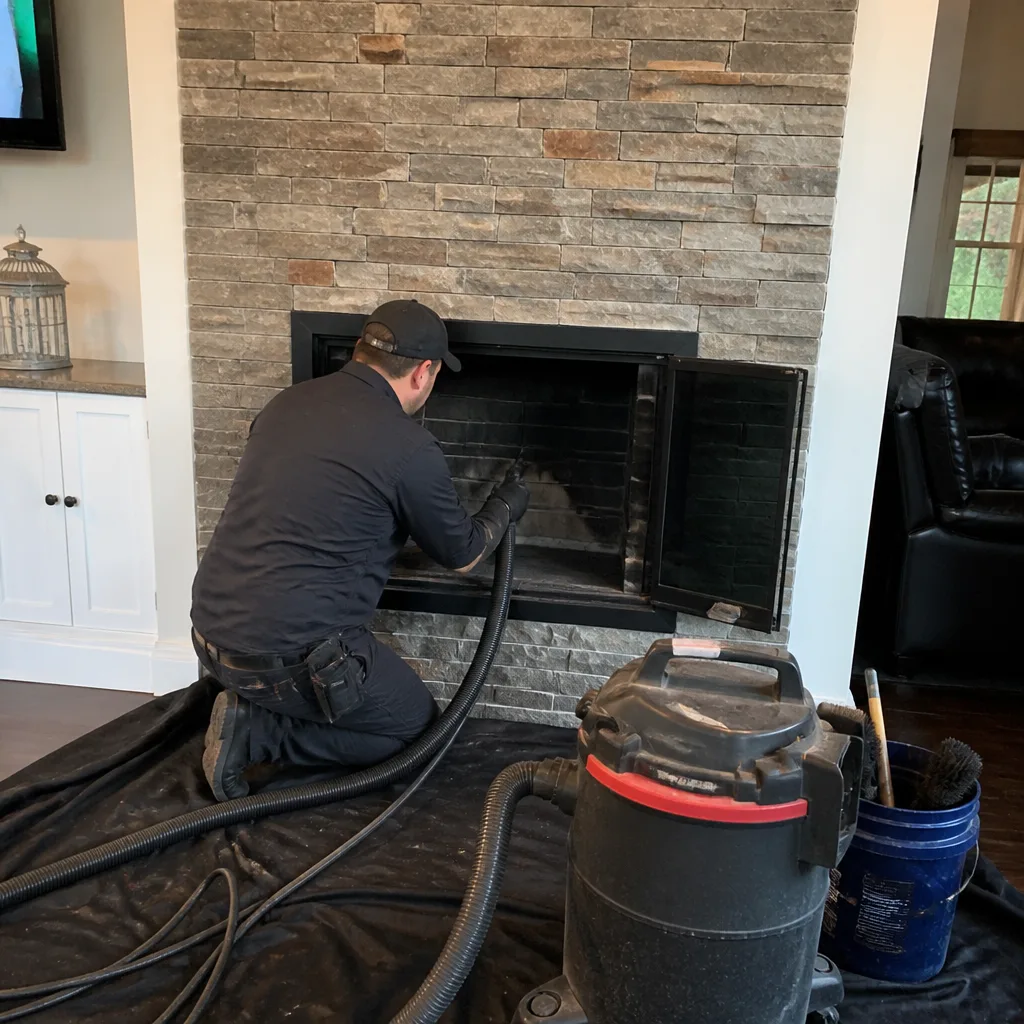 After
After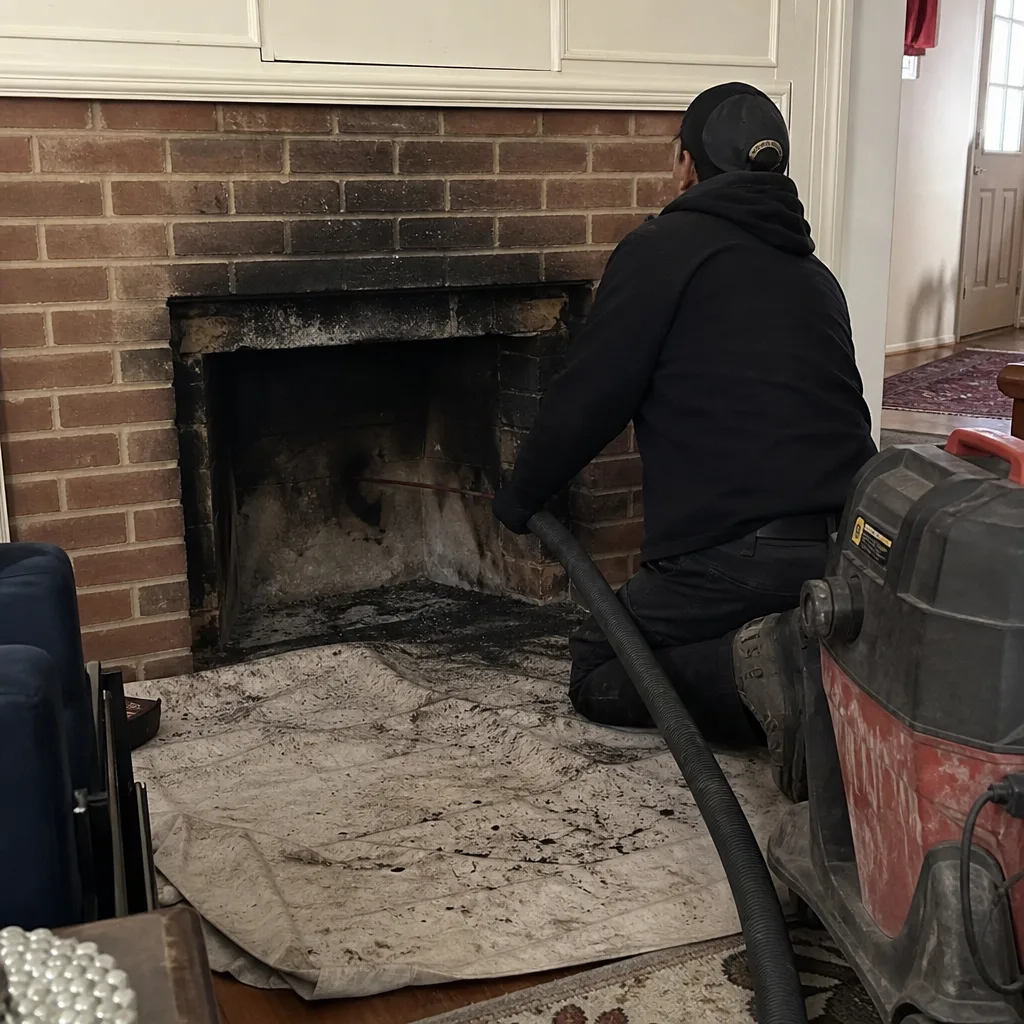 Before
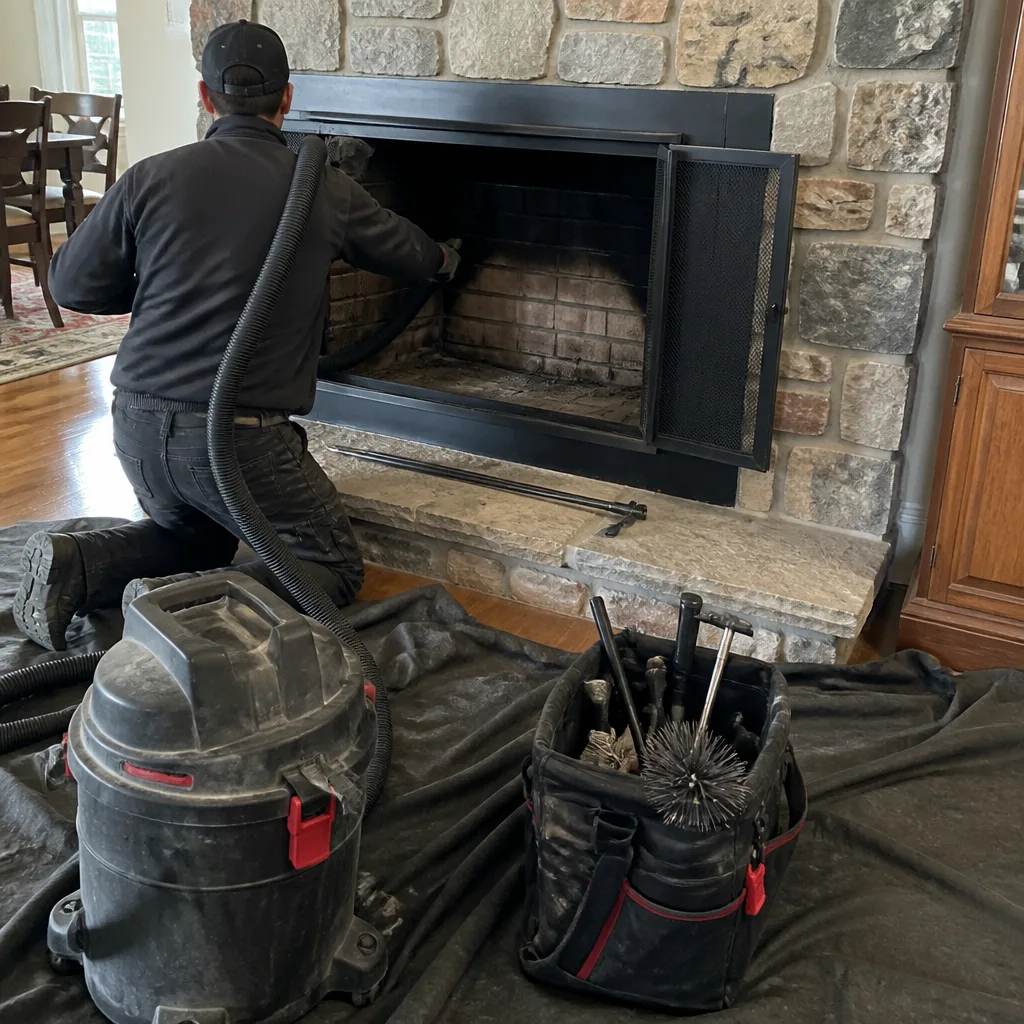 After
AfterCreosote Removal in Leesburg, VA
Creosote removal is the process of clearing the hardened, flammable byproduct that builds up inside your flue every time you burn wood. In Leesburg, where homeowners rely on their fireplaces from October through March and often burn through a full cord of wood or more each season, heavy creosote accumulation is one of the most common problems we find during inspections – and one of the most serious. Left alone, stage-two and stage-three creosote deposits are the leading cause of chimney fires in Loudoun County. The good news is that with the right tools and a technician who knows what to look for, it can be cleared safely, thoroughly, and in a single visit.
At Hearthstone Chimney Co., we’ve been handling creosote removal in Leesburg since 1984. Russell Haines built this company on the idea that a sweep should document what they find, explain it plainly, and stand behind the work – and that hasn’t changed in over 42 years. If you’re seeing heavy smoke in your firebox, a tar-like smell when your fireplace isn’t in use, or you simply don’t know when your chimney was last cleaned, call us for Fireplace Cleaning or an inspection at (571) 701-7519. A live person answers every call, around the clock. We’ll schedule an inspection and give you a straight answer about what’s there and what it costs to fix it.
Creosote removal is part of our broader Chimney Cleaning & Sweep in Leesburg service, and most jobs are completed in a single visit with upfront pricing – the number on the estimate is the number on the invoice.
When You Need Creosote Removal
A standard annual sweep handles light, powdery stage-one creosote with no special treatment. What brings homeowners in Leesburg to us for dedicated removal is something beyond that – deposits that have hardened, glazed, or built up to a thickness that a brush alone won’t touch. Here’s when to call before your next burning season:
- You notice a tar-like or asphalt smell indoors, even when the fireplace is cold. Glazed stage-three creosote off-gasses continuously. In older homes along the Leesburg historic district and in neighborhoods like Lansdowne and River Creek, we find this regularly in fireplaces that were heavily used in the 1990s and 2000s and then cleaned infrequently after the homeowners switched to gas logs or pellet stoves.
- There’s visible black, shiny buildup inside the firebox or on the damper. If you can see a glassy or tar-like coating from the firebox opening, you’re past stage one. Stage-two and stage-three deposits require chemical treatment and specialized tools – not just a brush.
- Your fireplace has been burning wet or “green” wood. Northern Virginia’s wet springs and humid summers make seasoning firewood properly difficult. We see a lot of Leesburg homeowners who buy split wood locally and burn it before it’s fully dry – that produces heavy creosote faster than almost anything else.
- You’ve had a chimney fire, even a small one. A chimney fire can be over in seconds, sometimes without the homeowner realizing it happened. If you’ve heard a roaring or rumbling sound from the flue, or noticed cracked flue tiles during a sweep, there’s almost certainly ignited creosote involved. Do not use the fireplace again until a Level-2 inspection clears it.
- It’s been more than two years since your last professional cleaning. The Chimney Safety Institute of America recommends annual inspections. In Leesburg’s climate – cold winters, high humidity, and a shoulder season that keeps fireplaces going into April – skipping a year or two creates conditions for rapid buildup, especially in airtight, well-insulated modern homes where flue temperatures run lower than older drafty houses.
- You’re buying a home or returning to a vacation property. We inspect chimneys for buyers throughout Loudoun County. If the home comes with a wood-burning fireplace and you don’t have documentation of recent cleaning, assume creosote is present until a sweep tells you otherwise.
Our Creosote Removal Process
We don’t treat every chimney the same, because they aren’t the same. The process below is what a standard creosote removal job looks like at Hearthstone Chimney Co. – from the moment our technician arrives to the moment he hands you the written verdict and drives away. Most Leesburg jobs are done start to finish in two to four hours.
- Visual and camera inspection first. Before we touch a brush, we do a Level-2 camera inspection of the full flue. Our technician feeds a camera to the top of the liner, and you can see the images yourself on the monitor. This tells us where the buildup is heaviest, whether the liner is cracked or has loose mortar joints, and what stage of creosote we’re dealing with. There are no surprises later – we document everything with photos and give you a plain-English summary of what we found before work begins.
- Drop cloths and full containment setup. Our technicians are uniformed, background-checked, and treat your home like it’s their own. We cover the firebox opening, the hearth, and any adjacent flooring before any cleaning starts. Creosote dust and debris stay in the chimney system, not on your hardwood floors or furniture.
- Chemical treatment for stage-two and stage-three deposits. If the inspection confirms glazed or hardened creosote, we apply a professional-grade chemical treatment – using products sourced through Copperfield and Olympia Chimney supply lines – that breaks down the crystalline structure of heavy deposits and makes them brittle enough to remove mechanically. This is the step most big-chain sweep companies skip, and it’s why their results don’t last.
- Mechanical removal with rotary and brush systems. Once the chemical treatment has worked, we use rotary cleaning heads and professional-grade brushes sized to your specific liner diameter and material. For older clay-tile flues – common in Leesburg homes built before 1990 – we’re careful with pressure and speed to avoid adding fractures to a liner that may already have thermal stress.
- Post-clean camera re-check and measurement. We run the camera again after cleaning. You see the “after” images next to the “before” images. If there’s a pocket of buildup we didn’t get, we go back. The 90-Day Done Right Promise is in writing: if it’s not done right, we come back and make it right, no arguing, no paperwork maze.
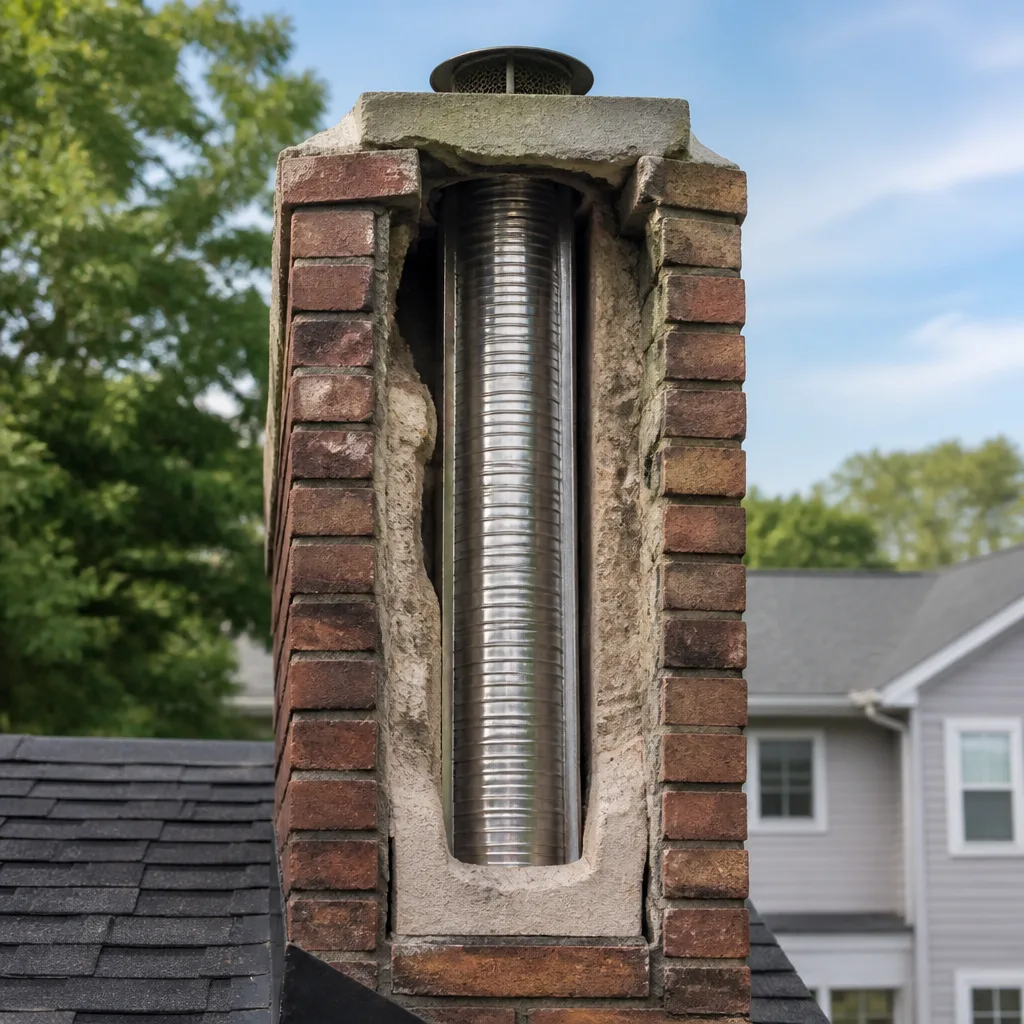
- Final written report with photos. Every job ends with a written summary – condition of the liner, extent of creosote removed, anything else we noted (cracked tiles, deteriorating crown, cap condition), and any recommended repairs with a plain-English explanation of why. You get a copy before we leave.
Creosote Removal Pricing in Leesburg
Creosote removal in Leesburg typically runs between $250 and $750, depending on the stage of the deposit, the height and configuration of the chimney, and whether chemical treatment is needed alongside mechanical cleaning. That range is wide because stage-one powdery buildup in a straight, single-story flue is a very different job from glazed stage-three creosote in a two-story exterior chimney with an offset flue. Here’s a general breakdown of what affects the number:
- Stage-one removal (powdery deposits, routine sweep): $150 – $250. This falls within our standard chimney cleaning service and is often covered by our $89 Seasonal Tune-Up when the buildup is light.
- Stage-two removal (tar-like, flaky deposits, chemical treatment needed): $275 – $450. Chemical application, dwell time, and mechanical removal add time and materials to the job.
- Stage-three removal (glazed, hardened deposits): $450 – $750 for most Leesburg homes, though severely impacted flues in homes with 30-plus years of irregular maintenance can run higher. We’ll tell you the exact number before we start.
- Level-2 camera inspection (included with removal): Bundled into the removal quote. We do not charge separately for the inspection when you’re booking a cleaning job.
- Add-on liner repair or relining: Priced separately after the inspection report, using DuraFlex liner systems where applicable. We’ll show you the photos that justify any recommendation before we quote the repair.
No-hassle upfront pricing means the number we quote is the number on the invoice. If we open the flue and find a more serious condition than expected, we stop, show you the photos, explain what changed, and give you an updated number before we proceed. You’re never handed a bill that’s different from what you agreed to.
We offer $50 Off Any Repair Over $250, a permanent 5% Senior and Veteran discount, and a Free Second Opinion on any written estimate you’ve already received from another company. Call (571) 701-7519 for a free estimate – we’ll give you a number over the phone for straightforward jobs, or schedule an in-person look at no charge.
Why Leesburg Chimneys Build Creosote Faster Than You’d Expect
Loudoun County’s climate works against chimney owners in a few specific ways that homeowners in drier climates don’t face. Leesburg averages around 40 inches of rain per year, and the shoulder seasons – October and April especially – bring extended stretches of cool, damp weather that push homeowners to burn fires before their wood is properly seasoned. Unseasoned wood burns at lower flue temperatures, produces more smoke, and deposits creosote significantly faster than dry hardwood.
Modern energy-efficient homes in newer Leesburg subdivisions like Potomac Station, Stratford, and Kincaid Forest compound the problem. Tight building envelopes restrict makeup air, which reduces draft and keeps flue gas temperatures lower. Lower flue temperatures mean more condensation in the upper flue, and that’s exactly where heavy creosote accumulates. We see this pattern constantly in homes built after 2000 – the fireplaces look clean from the firebox, but the upper third of the flue is packed.
Homes in the older parts of Leesburg – particularly around the historic district near King Street and Edwards Ferry Road – often have original clay-tile flue liners installed in the 1950s and 1960s. Those liners are serviceable when maintained, but decades of thermal cycling create small cracks that trap creosote and make it harder to remove cleanly. Our Level 2 Inspection catches both the creosote and the liner condition at the same time, so you’re not paying for two separate visits.
The Safety Case for Professional Removal
Creosote – particularly the glazed, stage-three kind – is a genuine fire hazard, not a maintenance annoyance. It ignites at temperatures a normal wood fire can reach, burns at over 2,000 degrees Fahrenheit, and can compromise a clay-tile liner in a single event. High-tension flue components, deteriorated mortar joints, and improperly vented fireplaces all raise the stakes. This is not a DIY project. Chemical creosote removers sold at hardware stores are suppression agents designed to make existing buildup less likely to ignite – they don’t substitute for physical removal by a trained sweep. We’re saying this because a real craftsman tells you what’s true, not what sells the job.
If you’re considering creosote removal as part of a seasonal maintenance plan, our home page has a full overview of what Hearthstone Chimney Co. covers and how to schedule. For the full scope of what a professional cleaning appointment involves – beyond just creosote – see our parent service page for Chimney Cleaning & Sweep in Leesburg.
FAQs – Creosote Removal
How much does creosote removal cost in Leesburg, VA?
Creosote removal in Leesburg runs $150 to $750 for most homes, depending on the stage of buildup and the complexity of the flue. Stage-one powdery deposits fall at the low end and are often included in a standard cleaning visit. Stage-three glazed creosote – the kind that requires chemical treatment before mechanical removal – sits at the higher end. We quote an exact number before any work starts, and the quote doesn’t change when the job is done. Call (571) 701-7519 for a free estimate over the phone or to schedule a no-charge in-person look.
Is creosote removal the same thing as a chimney sweep?
A standard Chimney Cleaning & Sweep removes stage-one creosote – the light, powdery residue that brushes out cleanly – as part of routine annual maintenance. Creosote removal, as a distinct service, refers to clearing stage-two or stage-three deposits that have hardened or glazed and require chemical treatment plus mechanical extraction. Many homeowners assume a sweep handles all of it; in practice, a sweep without a camera inspection may miss heavy buildup in the upper flue. We inspect first, sweep what a sweep can handle, and treat what it can’t – in one visit, with photos of both.
How do I know if my Leesburg home has stage-three creosote?
Stage-three creosote looks and smells like roofing tar. From inside the firebox, you may see a shiny, black coating on the damper or the lower section of the flue – though the heaviest deposits are almost always higher up and invisible without a camera. A persistent burnt-tar smell indoors when the fireplace is cold is a strong indicator. If you’re not sure, the honest answer is to have a Level 1 Inspection or Level-2 camera inspection. We include it with every removal job and charge nothing for the inspection when it’s part of a booked cleaning appointment.
Can I use a creosote sweeping log instead of professional removal?
Creosote sweeping logs – products like those sold under the CSL label – are conditioning agents, not removal tools. They treat the deposit to make it more brittle and slightly less flammable, which can be a useful supplement between professional cleanings. They do not remove stage-two or stage-three buildup, and they do not substitute for a camera inspection that checks liner integrity. If you have meaningful buildup, use a log as a stopgap only, and book a professional cleaning before you burn again. Russell Haines has been saying this for over four decades because it’s accurate, not because we profit from repeating it.
Standing Behind the Work
Every creosote removal job at Hearthstone Chimney Co. is covered by our 90-Day Done Right Promise – in writing, no arguing. If you find a problem with the work within 90 days, we come back and fix it. No phone-tag, no fine print, no explaining yourself to a call center. Russell Haines built this business in 1984 on the understanding that a craftsman’s word is only as good as what happens when something goes wrong. That’s the standard we hold ourselves to, and it’s why homeowners in Leesburg have been calling us for over 42 years.
If you’ve been putting off a chimney inspection because you weren’t sure who to call or what it would cost, now you know both. Call (571) 701-7519 – a live person will answer, day or night, and we’ll get you scheduled for a free estimate. Most jobs are done in a single visit, and the price we quote is the price you pay.
Written by Russell Haines, Owner at Hearthstone Chimney Co., serving Leesburg.