
Last updated September 10, 2026
Level 1 sweep and inspection to the NFPA 211 annual standard - flue, crown, cap, and flashing checked and photographed
Chimney sweep logs do not sweep chimneys. They loosen some creosote - which then falls where a brush and vacuum still have to collect it.
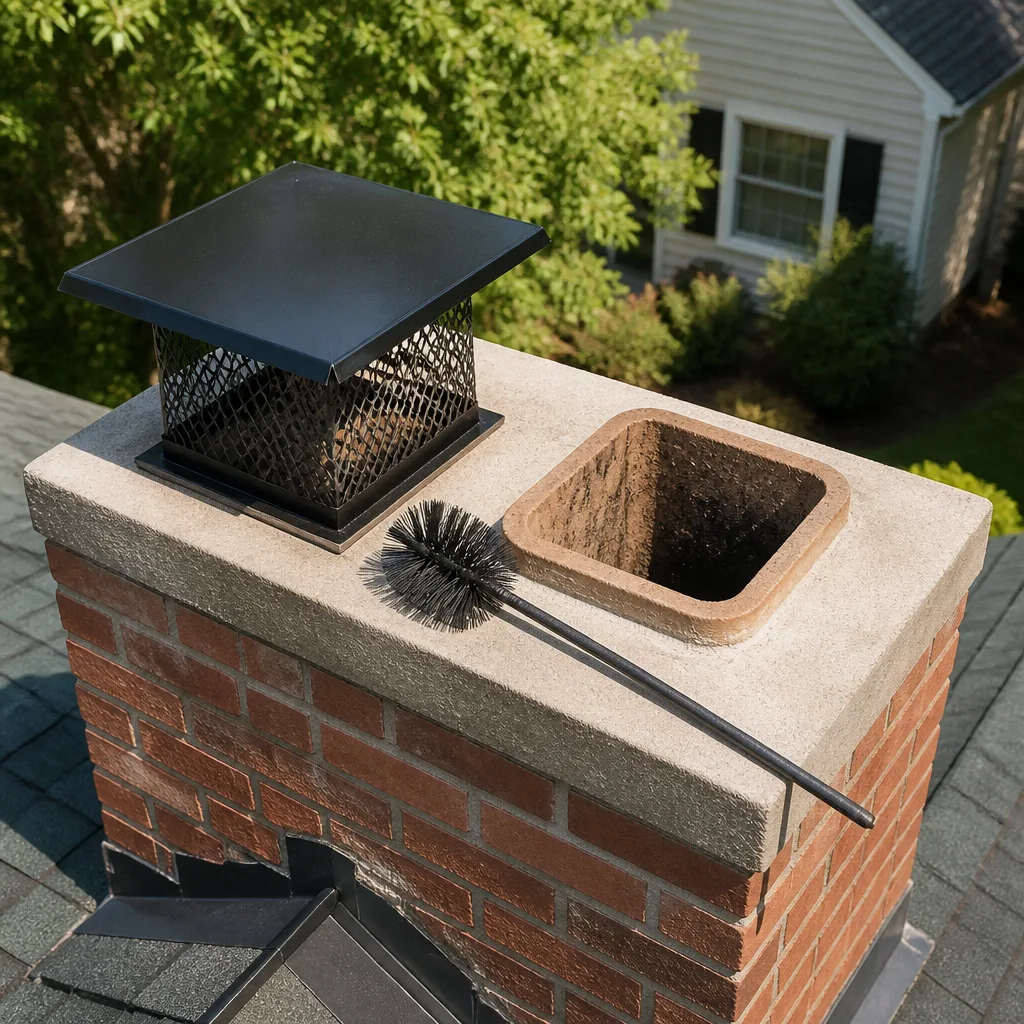
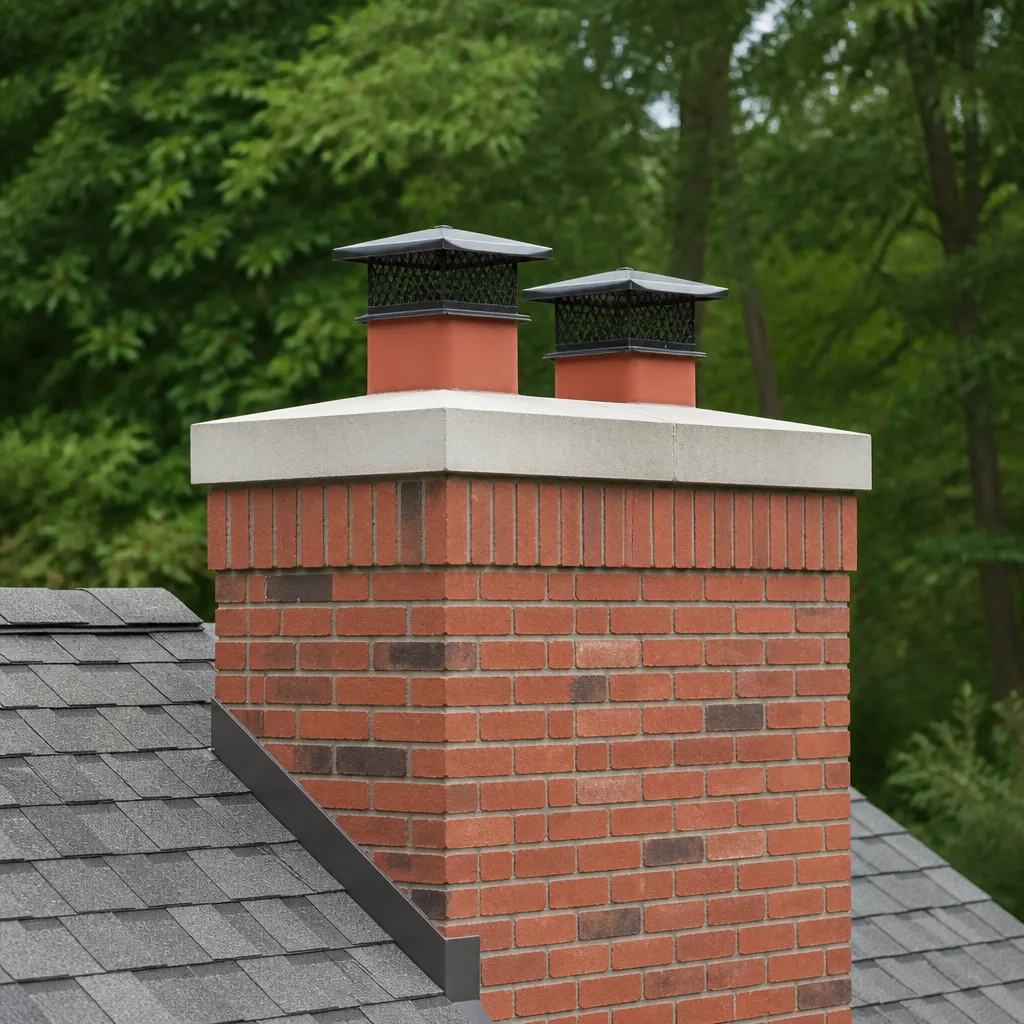
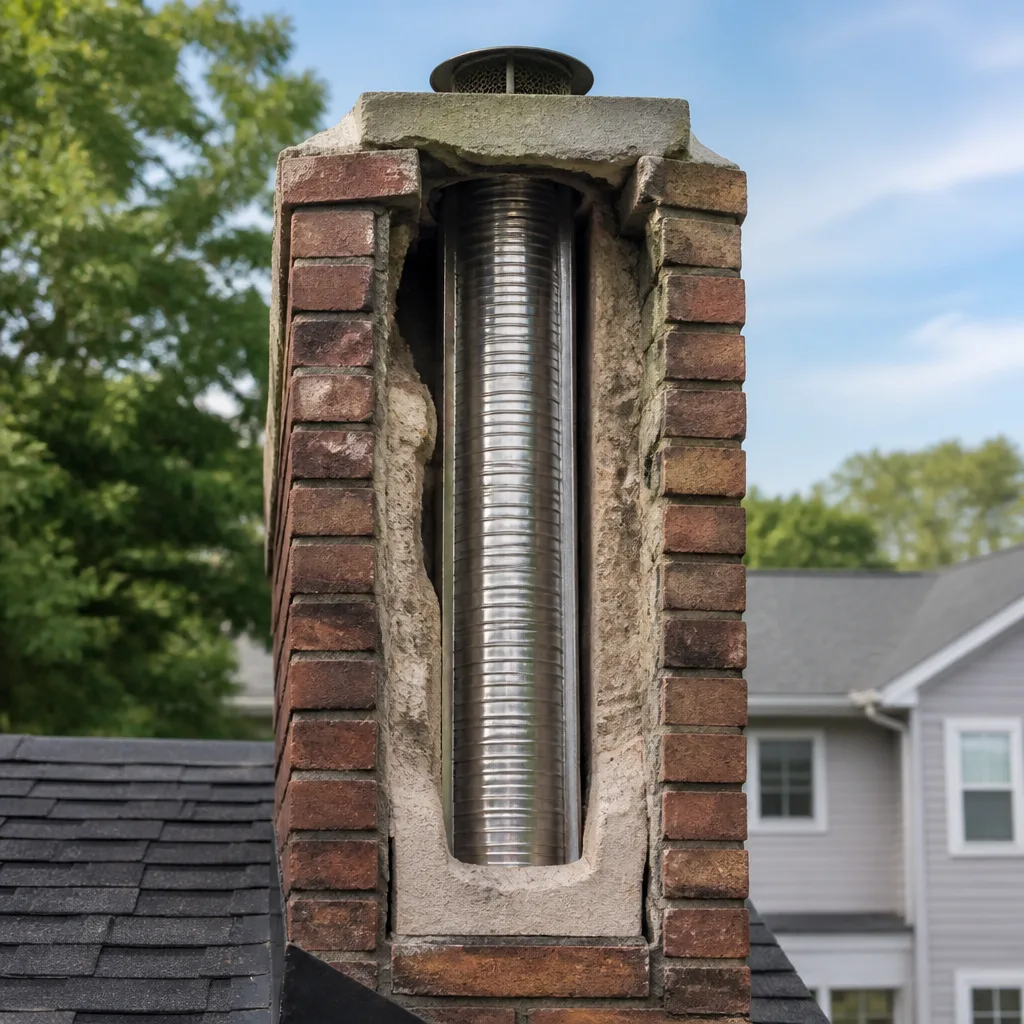
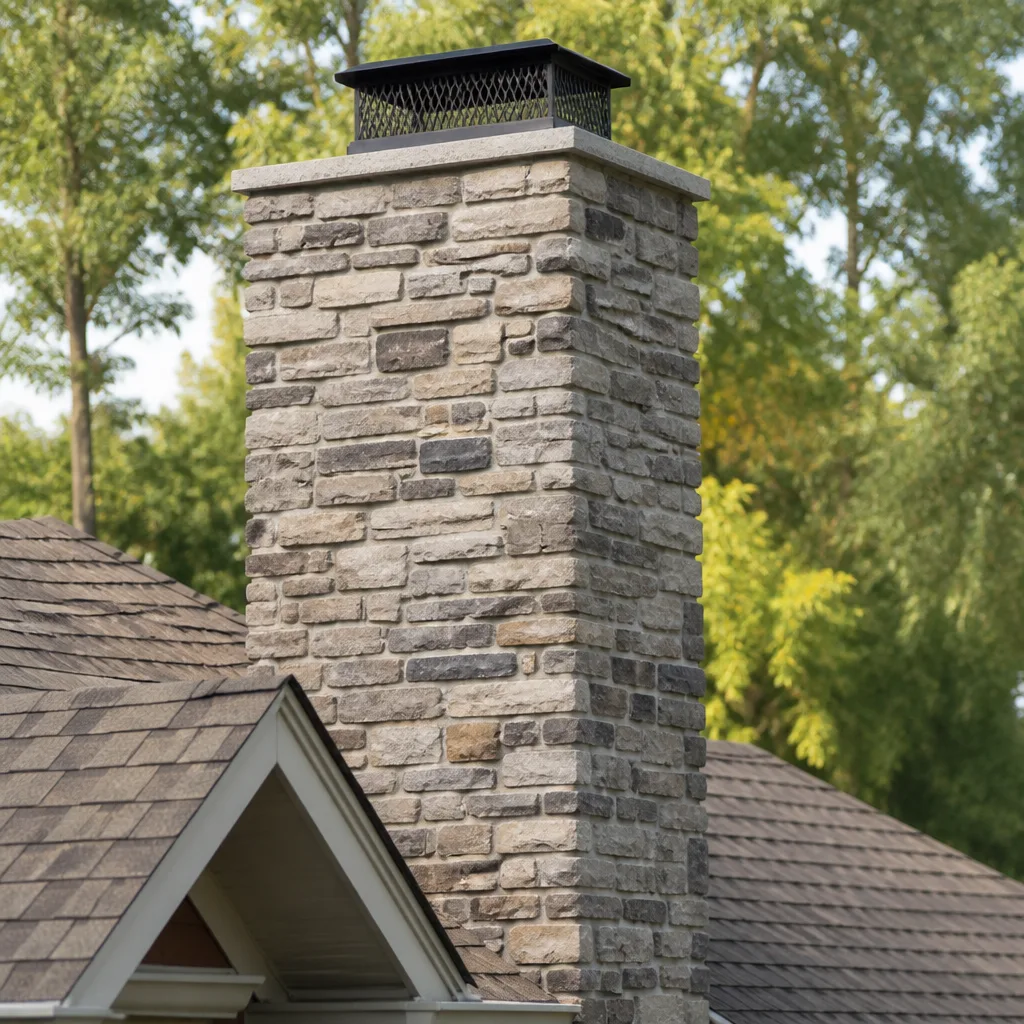
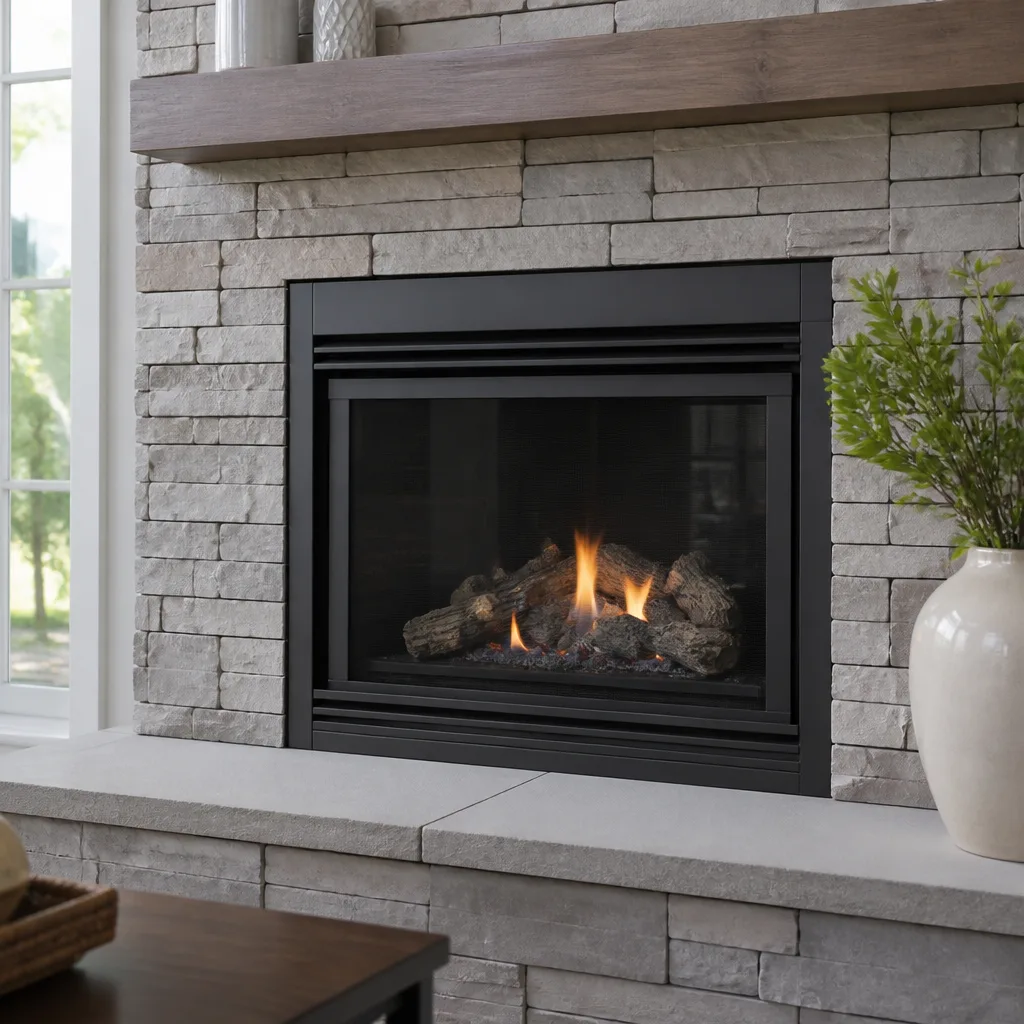
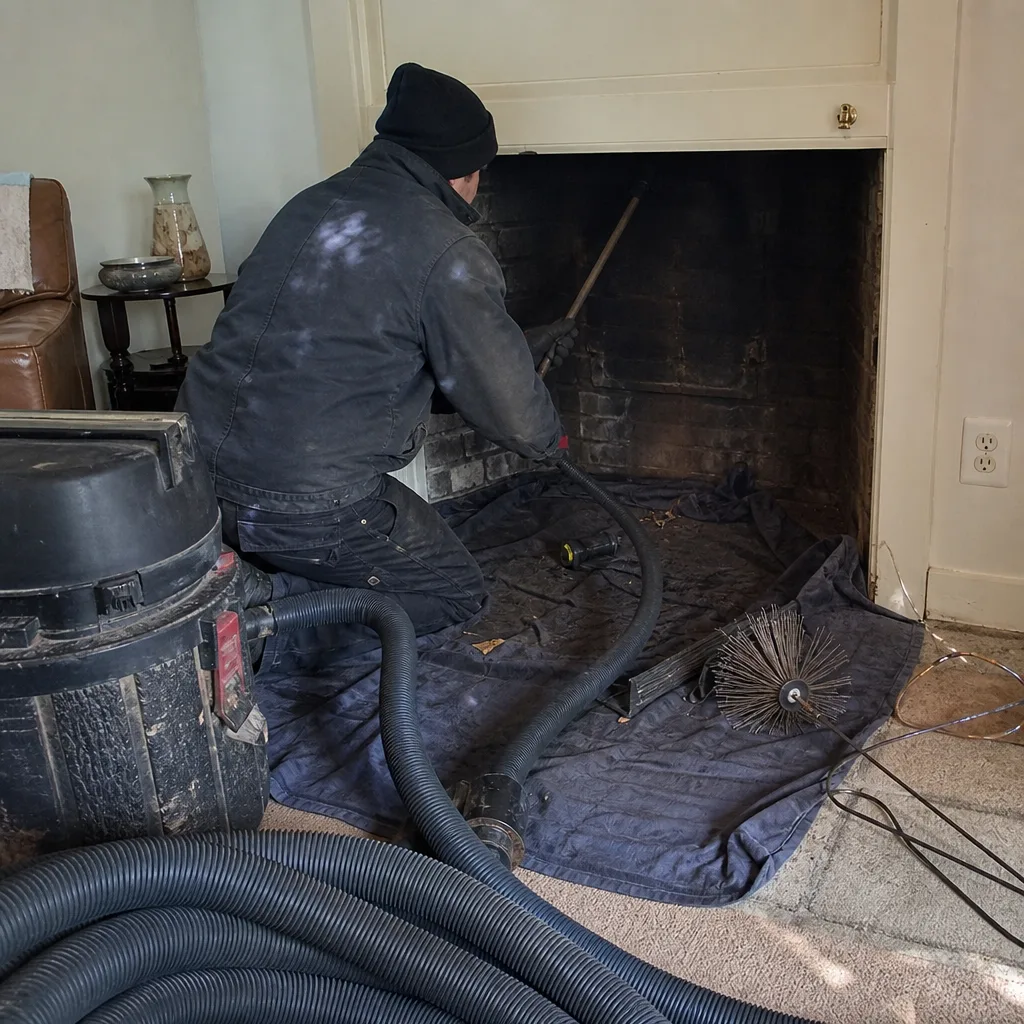 Before
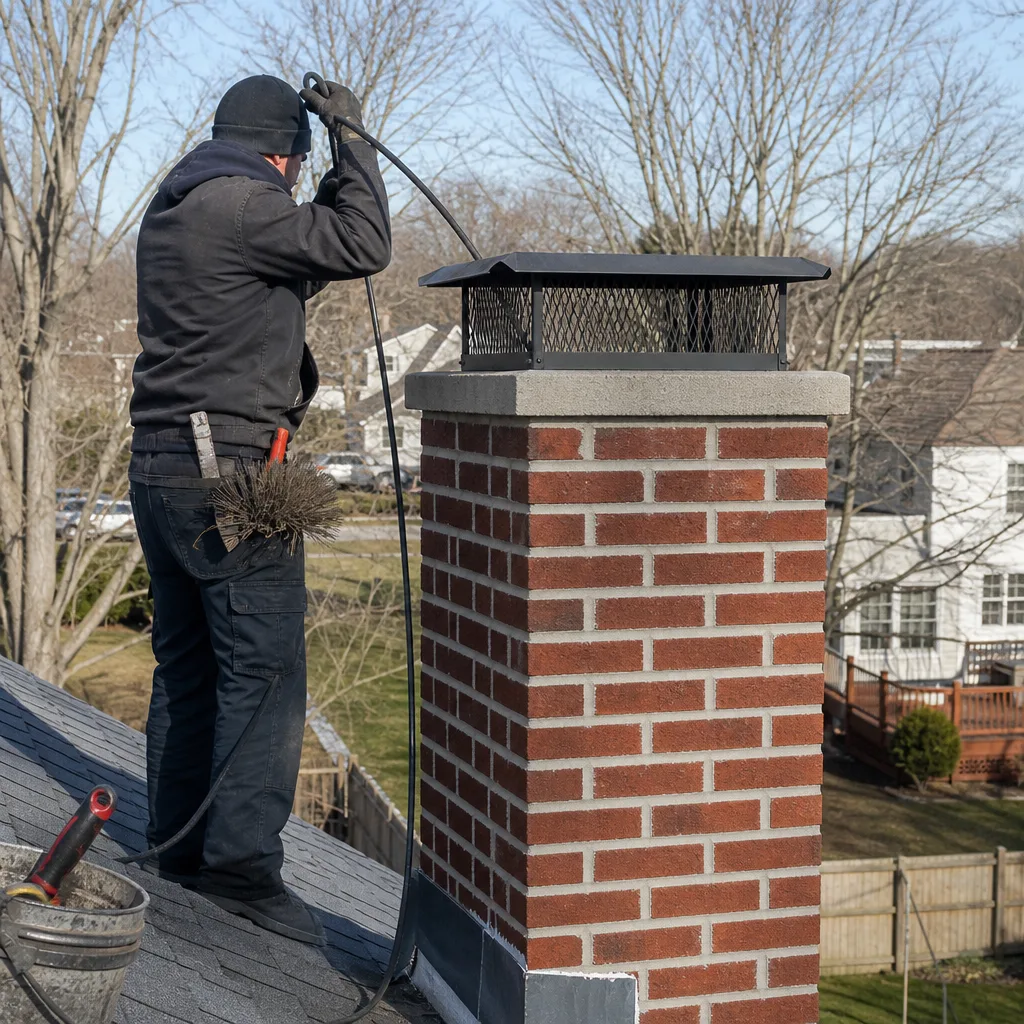 After
After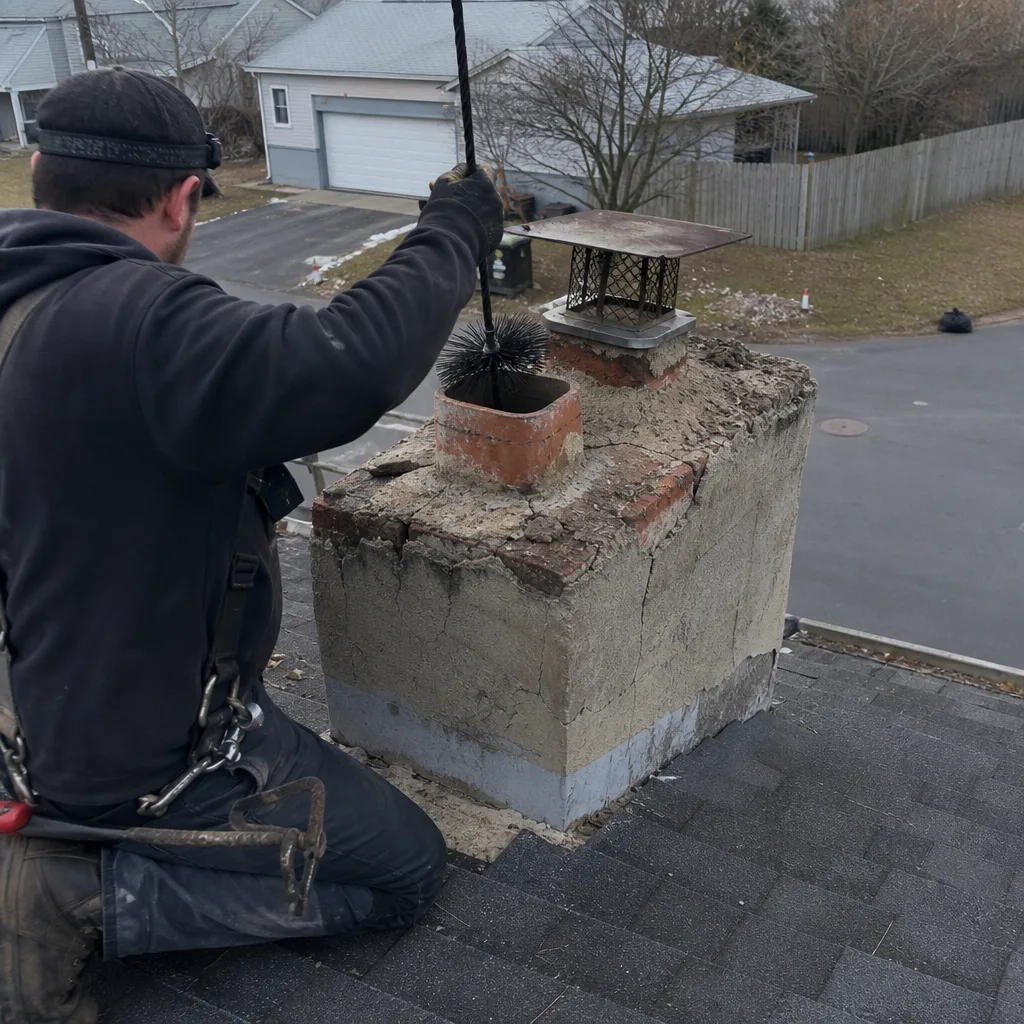 Before
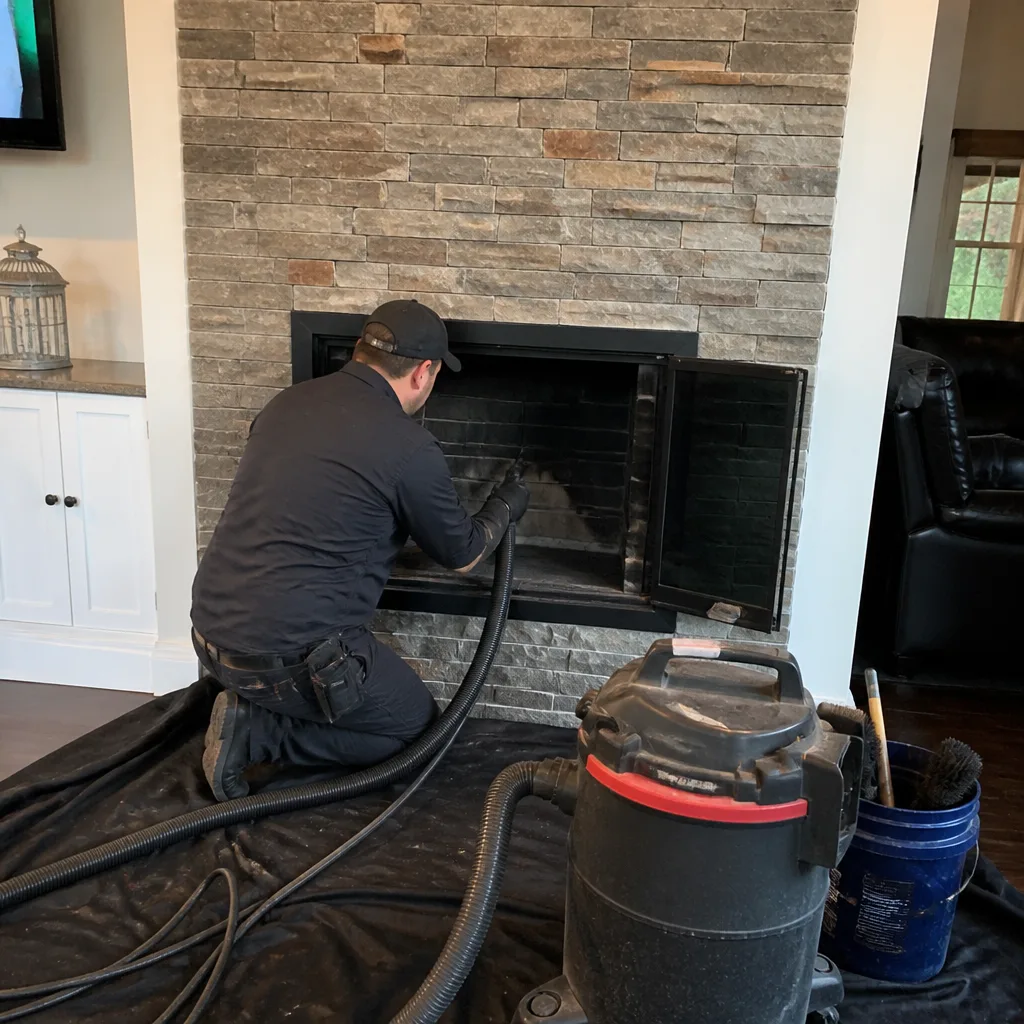 After
After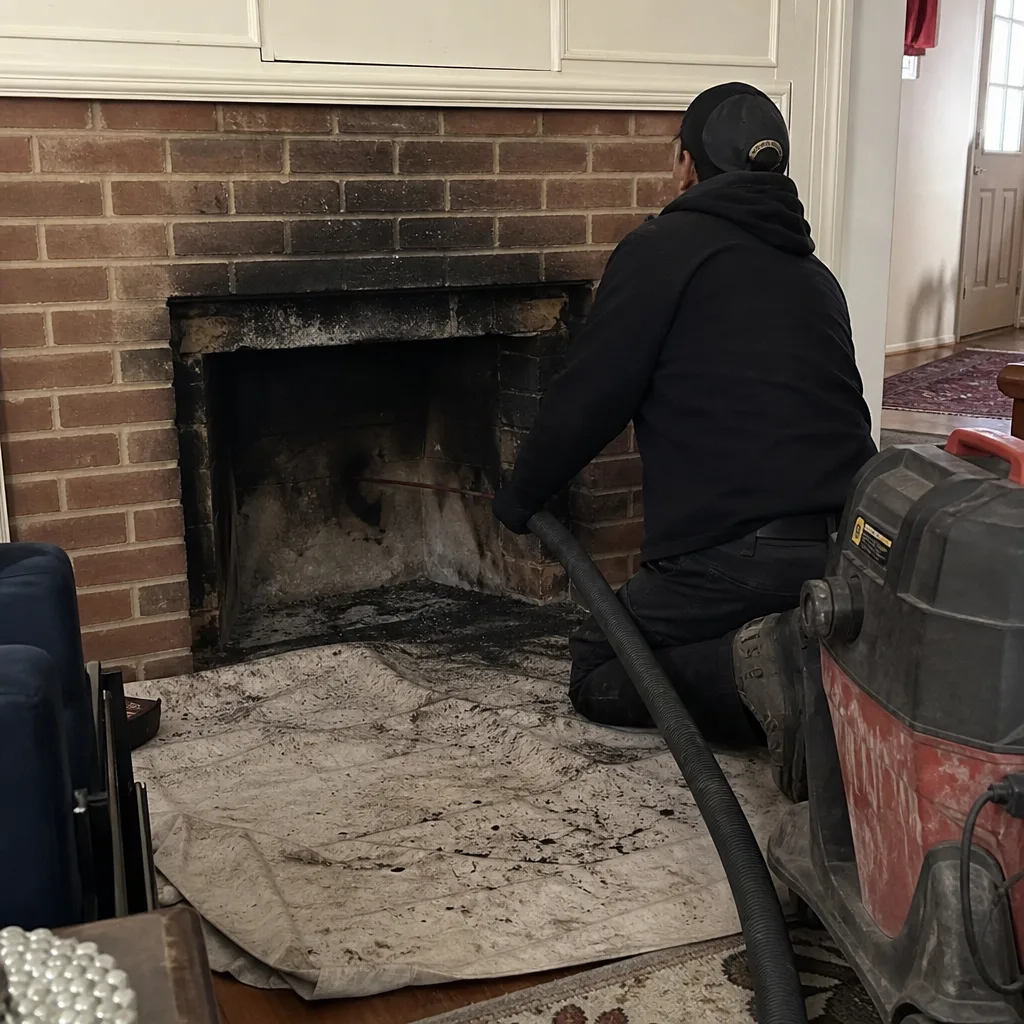 Before
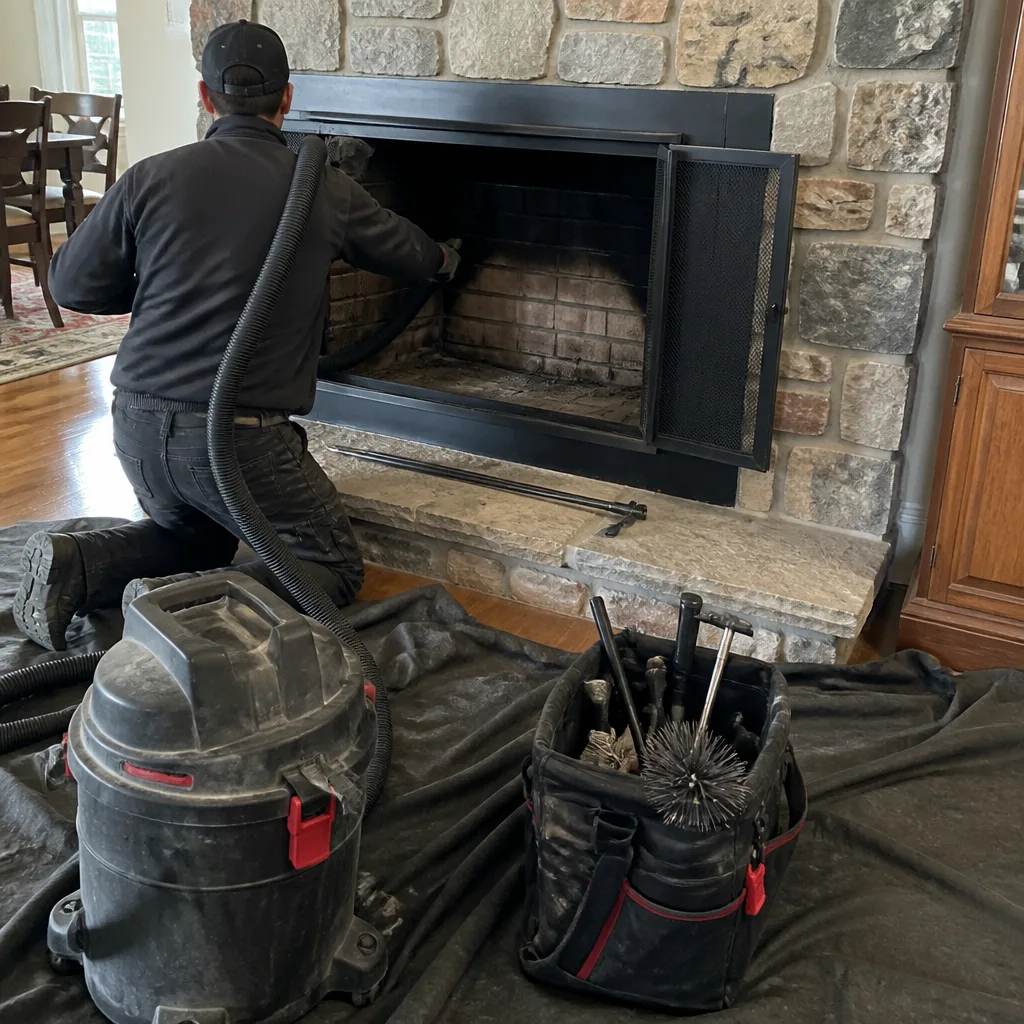 After
AfterDIY vs Professional Chimney Cleaning: The Leesburg Homeowner’s Decision Guide
You can buy the same brushes a chimney sweep uses on Amazon for $40. What you cannot buy is the ability to recognize stage 2 glaze creosote by texture in low light, read a liner crack from a camera image, or know that the “minor” spalling you’re looking at has already compromised the flue seal. That’s the actual argument for professional service, not the tools. In this guide, we’ll draw the precise line between what a careful Leesburg homeowner can safely handle and what requires a trained eye, professional equipment, and documented inspection-drawing on our more guides & resources for homeowners. You’ll learn the real costs of DIY on equal terms, the specific risks of getting it wrong, and a practical middle path that extends cleaning intervals without gambling on safety.
Quick Answer
Most Leesburg homeowners can safely handle light firebox maintenance, damper checks, and debris clearing between professional visits. However, liner inspection, creosote stage assessment, and smoke chamber evaluation require professional equipment and training. The dividing line runs through the liner, not the firebox. For a complete, documented cleaning with camera inspection, expect $189-$289 for a standard sweep in the Leesburg market, while DIY equipment runs $80-$150 upfront with significant time and disposal costs-see our Chimney Cleaning Cost Breakdown: The Leesburg Homeowner’s Reference for 2026 for full details.
Table of Contents
- What Homeowners Can Safely Do Themselves
- Where DIY Ends: The Liner Is the Line
- The Real Cost of DIY vs. Professional Service
- What Leesburg DIYers Most Commonly Miss
- The Middle Path: DIY Maintenance Between Professional Visits
- Tools, Materials, and Setup for Safe DIY Work
- When to Call a Professional
- Frequently Asked Questions
What Homeowners Can Safely Do Themselves
There are three categories of chimney maintenance that a careful homeowner can handle without professional help. These tasks stay above the damper, outside the flue, and away from any component under structural or thermal stress.
1. Light Soot Removal from the Firebox
The firebox is the visible chamber where you build fires. Surface soot here is unburned carbon that hasn’t yet entered the flue system. A homeowner can remove this safely with a stiff-bristled nylon brush, warm water, and a mild dish soap solution. Work from top to bottom so drips don’t stain cleaned surfaces. Rinse thoroughly and dry completely before the next fire. Avoid acidic cleaners, which can degrade firebrick mortar over time.
What you’re removing here is cosmetic and minor. If the soot layer is thick enough to scrape with a fingernail, or if it has an oily, tar-like quality, you’ve crossed into creosote territory. Stop and call a professional.
2. Damper Operation Checks
The damper is the metal plate that opens to let smoke exit and closes to prevent heat loss when the fireplace isn’t in use. A homeowner should verify three things monthly during burning season:
- Open the damper fully and confirm it locks in position
- Close it completely and check for visible gaps by looking up from the firebox with a flashlight
- Listen for metal-on-metal grinding, which indicates warping or hardware failure
A damper that won’t fully open is a carbon monoxide risk. A damper that won’t fully close costs you heating dollars. Both conditions warrant professional attention, but identifying them is well within homeowner capability.
3. Debris Clearing from the Firebox Floor
Ash, partially burned wood fragments, and occasional bird nesting material (if the cap is missing or damaged) accumulate on the firebox floor. Remove these with a metal ash shovel and a covered metal bucket. Ash can hold live embers for days, so never use a plastic container or store ash near combustibles.
In Leesburg’s mature neighborhoods like Potomac Station, Lansdowne, and Beacon Hill, we regularly find that homeowners who perform this Seasonal Chimney Cleaning Care for Leesburg: Year-Round Homeowner’s Guide basic maintenance monthly reduce their professional sweeping needs by extending the interval between service calls. The key is knowing where to stop.
Where DIY Ends: The Liner Is the Line
The flue liner is the critical barrier between combustion byproducts and your home’s structure. It operates under thermal stress, chemical attack from acidic condensates, and mechanical loading from freeze-thaw cycles. When it fails, the consequences are not gradual. Carbon monoxide enters living spaces. Creosote ignites in wall cavities rather than the chimney. Masonry spalls and mortar joints open.
Three tasks require professional evaluation because the hazards are hidden and the failure modes are catastrophic.
Liner Inspection
Modern chimney liners are stainless steel, clay tile, or cast-in-place refractory. Each fails differently. Stainless steel develops pinpoint corrosion at welds and flex points. Clay tile cracks diagonally from thermal shock, often in patterns invisible from the firebox. Cast-in-place liners delaminate, creating voids behind a surface that looks intact.
None of these conditions are detectable without a camera system designed for high-temperature environments and low-light imaging. At Hearthstone Chimney Co., we use level-2 camera inspections that document every linear foot of liner with photos the homeowner can see and a plain-English verdict on condition. A flashlight and mirror from the hardware store cannot substitute.
Creosote Stage Assessment
Creosote forms in three stages. Stage 1 is flaky, dusty soot that brushes away easily. Stage 2 is shiny, hardened flakes that require mechanical removal. Stage 3 is a tar-like glaze, essentially condensed wood tar, that adheres to liner walls and fuels chimney fires at temperatures exceeding 2,000°F.
The danger is misidentification. Stage 2 can look like stubborn Stage 1 to an untrained eye. Stage 3 glaze creosote in low light reads as dark staining. We’ve responded to chimney fires in Leesburg’s older homes near downtown and in the Village of Leesburg where the homeowner reported “just some soot buildup” that was actually Stage 3 glaze. The texture tells the story, and texture recognition requires experience.
Smoke Chamber Evaluation
The smoke chamber is the area above the damper and below the flue liner. It should be smooth, with sloping walls that direct smoke into the flue. Rough surfaces, corbelled brick, or gaps in parging (the smooth refractory coating) create turbulence that deposits creosote and restricts draft.
Evaluating the smoke chamber requires a light source and viewing angle that the firebox opening doesn’t provide. Professional sweeps use specialized cameras and mirrors. The smoke chamber is also where many amateur modifications, damaged by well-meaning homeowners installing their own chimney caps or attempting liner access, create hidden hazards.
The rule is straightforward: if the task requires looking past the damper, it requires professional equipment and training.
The Real Cost of DIY vs. Professional Service
DIY chimney cleaning is often framed as a money saver. The framing omits several cost categories that a professional bid includes by default.
DIY Equipment and Materials
| Item | Cost Range |
|---|---|
| Chimney brush (poly or wire, sized to flue) | $25-$45 |
| Extension rods (fiberglass, 12-24 feet) | $35-$65 |
| Drop cloths and containment sheeting | $15-$30 |
| HEPA-rated shop vacuum or rental | $50-$80 purchase, $25/day rental |
| Safety equipment (respirator, goggles, gloves) | $25-$40 |
| Creosote remover spray (for light buildup) | $15-$25 |
| Total first-time investment | $165-$285 |
This assumes you buy correctly the first time. Many homeowners purchase a brush one size too small, which fails to contact all liner surfaces, or too large, which lodges in the flue. Extension rods that flex excessively in tall Leesburg chimneys, common in the two-story Colonials near Ida Lee Park, transfer no scrubbing force to the brush head.
Time and Labor
A professional sweep completes most standard cleanings in 60-90 minutes, including setup, inspection, and documentation. A homeowner’s first attempt typically runs 3-4 hours, with additional time for equipment research, purchase, and return trips for forgotten items. The time cost is real, though not monetary.
Containment and Cleanup
Professional sweeps bring HEPA vacuums, negative-air machines, and sealed containment systems. Creosote dust is a listed carcinogen. Without proper containment, it settles on furnishings, infiltrates HVAC systems, and contaminates living spaces. The cost of professional carpet cleaning or duct service after a DIY attempt is rarely factored into the DIY calculation.
Disposal
Creosote and chimney debris are not standard household waste in Loudoun County. The county’s solid waste facilities have specific requirements for combustion residue. Transport and disposal add time and, in some cases, fees.
Professional Service in Leesburg
A standard chimney sweep and level-1 inspection in the Leesburg market runs $189-$289. This includes the cleaning, documented inspection, photo report, and proper disposal. Hearthstone Chimney Co. offers a $89 Seasonal Tune-Up for systems in good condition, and our no-hassle upfront pricing means the estimate number matches the invoice number.
On equal terms, DIY saves money only if you already own equipment, value your time at zero, and assume perfect execution with no need for professional verification. For most Leesburg homeowners, the professional route is cost-competitive when fully accounted.
What Leesburg DIYers Most Commonly Miss
In 42 years of service, we’ve been called after hundreds of homeowner cleaning attempts. The patterns are consistent enough to catalog. These are not criticisms of effort, most homeowners we meet are careful and capable. They are observations about what lies outside untrained perception.
The Liner Crack at the Flue Collar
Clay tile liners crack most often at the transition to the metal flue collar, where thermal expansion differs between materials. This crack is invisible from the firebox and often missed by DIY brush passes that don’t reach the full liner length. We’ve found this condition in Leesburg’s 1980s and 1990s subdivisions, where construction-era clay tile was common, after homeowners reported “clean chimneys” that were actually compromised.
Stage 2 Creosote Misidentified as Normal Buildup
Stage 2 creosote has a glassy, reflective surface that reads as “shiny clean” in dim light. Homeowners report their chimney “looks good” while a flammable, hardened deposit remains. The error is understandable. It’s also dangerous.
Damaged or Missing Chimney Cap
The cap prevents water intrusion, animal entry, and debris accumulation. A homeowner cleaning from below may never see that the cap is rusted through, dislodged by wind, or missing entirely. Leesburg’s position in the Piedmont exposes chimneys to stronger wind shear than lower-elevation areas of Northern Virginia. Caps take damage that ground-level inspection cannot catch.
Smoke Chamber Parging Failure
The parging in the smoke chamber cracks and falls away gradually. A homeowner looking up from the firebox sees darkness, not deterioration. Professional camera inspection reveals the actual condition. In homes near the Goose Creek watershed, where humidity fluctuates seasonally, we’ve found accelerated parging damage that DIY cleaning simply cannot assess.
Improper Brush Technique Creating New Damage
Aggressive brushing with an oversized wire brush can score stainless steel liners, accelerating corrosion. Reverse-direction brushing can dislodge clay tile from weakened mortar joints. The intent is cleaning. The result is sometimes harm.
Incomplete Debris Removal from Smoke Shelf
The smoke shelf is a horizontal ledge behind the damper where debris and creosote accumulate. It’s inaccessible to standard brushes and requires specialized tools. Homeowners routinely miss this area, leaving fuel for potential chimney fires in a location where ignition is most dangerous.
The Middle Path: DIY Maintenance Between Professional Visits
There is a practical approach that leverages homeowner capability without substituting amateur effort for professional evaluation. We recommend this schedule to Leesburg homeowners who burn regularly, defined as more than twice weekly during heating season.
Monthly Homeowner Tasks (October through March)
- Remove ash and debris from firebox floor; dispose in covered metal container
- Inspect firebox brick and mortar for new cracks or spalling; mark locations with chalk for professional review
- Operate damper through full range; note any grinding, sticking, or incomplete closure
- Visually inspect chimney cap from ground level with binoculars; note tilting, rust streaks, or missing sections
- Check chimney crown (visible top surface) for cracks or pooling from ground or roof edge if safely accessible
Annual Professional Service
Schedule a complete sweep and level-2 inspection each spring, after the final fire of the season. Spring scheduling in Leesburg avoids the fall rush, ensures availability, and allows time for any needed repairs before the next burning season. At Hearthstone Chimney Co., we document every inspection with photos and a plain-English verdict, so you have a baseline for comparing year-over-year condition.
Biennial or Triennial Professional Service
Homeowners who burn infrequently, fewer than twice monthly, may extend to every two or three years with the monthly homeowner tasks above. The condition of the system, not the calendar, should drive this decision. A camera inspection every second year confirms that infrequent use hasn’t masked developing problems.
This middle path respects both your capability and your safety. It also preserves the value of professional documentation, which matters for insurance claims, real estate transactions, and warranty coverage on liner installations using materials like DuraFlex or HeatShield.
Tools, Materials, and Setup for Safe DIY Work
For homeowners who choose to perform the limited tasks described above, proper setup prevents more problems than it solves.
Essential Equipment
- Stiff-bristled nylon brush (never wire brush on firebrick)
- Metal ash shovel and covered metal bucket with tight lid
- Drop cloths, minimum 6-mil plastic, taped at edges
- HEPA-rated vacuum or dedicated ash vacuum; standard household vacuums expel fine particulate
- N95 or P100 respirator; soot and ash particles are respirable
- Safety goggles that seal against face
- Long-cuff leather or nitrile gloves
Containment Protocol
Seal the fireplace opening with plastic sheeting and painter’s tape before any work that might generate dust. Cover flooring to a distance of six feet. Close HVAC registers in the room to prevent circulation of particulate. Open a window for ventilation, even in cold weather.
What Not to Use
Do not use household vacuums without HEPA filtration. Do not use water on hot ashes. Do not use chemical creosote removers as a substitute for mechanical cleaning, these are maintenance aids, not solutions for established buildup. Do not attempt to access the roof to inspect the cap or crown without proper fall protection; falls from single-story roofs cause serious injury annually in Loudoun County.
For chimney cap and crown assessment, use binoculars from ground level, or schedule a professional evaluation. The view from below is sufficient to identify obvious problems. Hidden conditions require the equipment and training we’ve described.
Common Mistakes to Avoid
- Cleaning from the bottom only. Brushing upward from the firebox pushes debris onto the smoke shelf, where it compacts and becomes a fire hazard. Professional sweeps brush from both directions or use vacuum-assisted systems.
- Using the wrong brush material. Wire brushes on clay tile or refractory parging cause scoring that accelerates future buildup. Match brush material to liner type, or use polypropylene as the safe default.
- Ignoring the smoke shelf. This ledge collects the heaviest debris and requires specialized tools. A standard brush rod assembly won’t reach it effectively.
- Assuming no visible problem means no problem. The most dangerous chimney conditions, liner cracks and stage 3 creosote, are invisible from the firebox. Visual cleanliness is not functional safety.
- Using household vacuums for ash and soot. Standard vacuum filters pass fine particulate that damages motors and contaminates indoor air. Ash vacuums with HEPA filtration are purpose-built for this task.
- Skipping the post-cleaning inspection. Even professional sweeps inspect after cleaning. A homeowner who cleans without verifying condition has performed maintenance without gaining information.
- Attempting roof access without fall protection. Leesburg’s combination of mature trees, moss growth on north-facing roofs, and occasional ice accumulation creates fall hazards that require harnesses, anchors, and training.
When to Call a Professional
Call a professional sweep when any of the following conditions apply-our How to Hire a Chimney Cleaning Contractor in Leesburg: A Step-by-Step Guide can help you choose wisely: you haven’t had a level-2 camera inspection in the past 12 months; you observe shiny, tar-like deposits in the firebox or on the damper; the damper operates roughly or incompletely; you smell smoke in living spaces during fireplace use; you hear animal activity in the chimney; you see water staining on ceiling or wall surfaces near the chimney; or you’ve purchased a home and have no documentation of prior service.
Also call before burning season if your chimney serves a wood stove or insert, these systems operate at higher temperatures and tighter tolerances than open fireplaces, and their connection assemblies require specific inspection protocols.
Hearthstone Chimney Co. offers free estimates in Leesburg. Call (571) 701-7519. A live person answers every call, 24 hours a day, 7 days a week. Our background-checked, uniformed technicians complete most jobs in a single visit, with no-hassle upfront pricing. Every job is backed by our 90-Day Done Right Promise, in writing, with no arguing.
Frequently Asked Questions
A standard chimney sweep and level-1 inspection in Leesburg typically costs $189-$289, depending on system type, accessibility, and condition. Wood stove inserts and systems with significant creosote buildup may run higher. Our $89 Seasonal Tune-Up applies to well-maintained systems in good condition. Call (571) 701-7519 for an exact quote, estimates are free.
The National Fire Protection Association recommends annual inspection for all chimney systems, with cleaning frequency determined by use and fuel type. In Leesburg’s climate, where heating season runs roughly October through April, homeowners who burn hardwood twice weekly or more should plan annual sweeping. Infrequent burners may extend to every two years with monthly homeowner maintenance and biennial camera inspection. The condition of your specific system, not a calendar rule, should guide the decision.
Chimney cleaning logs contain chemicals that slightly soften light creosote deposits. They do not remove creosote, they do not address liner condition, and they do not substitute for mechanical cleaning or professional inspection. We occasionally find that logs have loosened creosote without removing it, creating debris that compounds on the smoke shelf. Use them only as a supplement between professional services, not as a replacement.
Skipped maintenance leads to three predictable outcomes. Creosote accumulates, increasing chimney fire risk. Liner deterioration progresses unseen, eventually permitting carbon monoxide intrusion or structural fire spread. Water intrusion degrades masonry and damages interior finishes. In Leesburg’s freeze-thaw climate, water-damaged masonry accelerates rapidly. The cumulative cost of deferred maintenance typically exceeds the cost of regular service by a significant margin. Call (571) 701-7519 to schedule before problems develop.
A liner recommendation should always be supported by camera documentation you can see for yourself. At Hearthstone Chimney Co., we provide photos and a plain-English verdict before any liner work is proposed. Liners fail from corrosion, thermal shock, or physical damage, conditions visible on camera. If a sweep recommends liner replacement without documentation, seek a second opinion. We offer free second opinions on any written estimate, with no obligation.
Homeowners may perform maintenance on their own chimney systems without licensing. However, Leesburg and Loudoun County building codes require permits for liner replacement, structural repair, and new appliance installation. Work performed without required permits can invalidate homeowners insurance and complicate real estate transactions. Professional sweeps carry the licensing and insurance to perform permitted work and provide the documentation that protects your interests.
The Bottom Line
The question isn’t whether you can clean your chimney yourself. The question is where your effort ends and professional evaluation begins. The line runs through the liner, not the firebox. Light firebox maintenance, damper checks, and debris clearing are within homeowner capability and worth doing monthly. Liner inspection, creosote stage assessment, and smoke chamber evaluation require equipment, training, and experience that cannot be purchased retail. The practical path is a partnership: homeowner maintenance between annual professional visits, with camera-documented inspection providing the information that keeps your system safe and your decisions informed. Done right, and we stand behind it.
Written by Russell Haines, Owner at Hearthstone Chimney Co., serving Leesburg since 2014.